Written by The New Mom Journal Editorial Team · Updated July 20, 2026
Why Your Newborn Won't Sleep Unless You're Holding Them
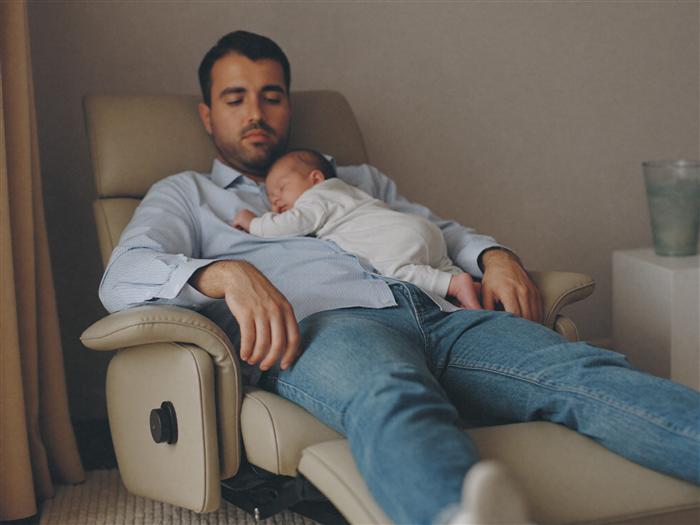
It is not a habit you are creating, and it is not something you are doing wrong. For nine months, your baby slept to the sound of your heartbeat, constant motion, and total physical contact. A flat, silent crib, no matter how comfortable it looks, is a genuinely big adjustment.
What is actually happening biologically
Human newborns arrive more neurologically underdeveloped than most other mammals, unable even to hold up their own heads, and they are wired to seek closeness because it once meant survival. Newborns startle easily when set down because of the Moro reflex, an involuntary response that can wake a sleeping baby the instant physical contact is lost, making them feel briefly as though they are falling. Being held simply removes that trigger entirely. Under about four months, babies also lack the neurological development to self-settle regardless of how gently they are put down, this is not something that can be trained earlier through any particular method.
For the nights you're touched out
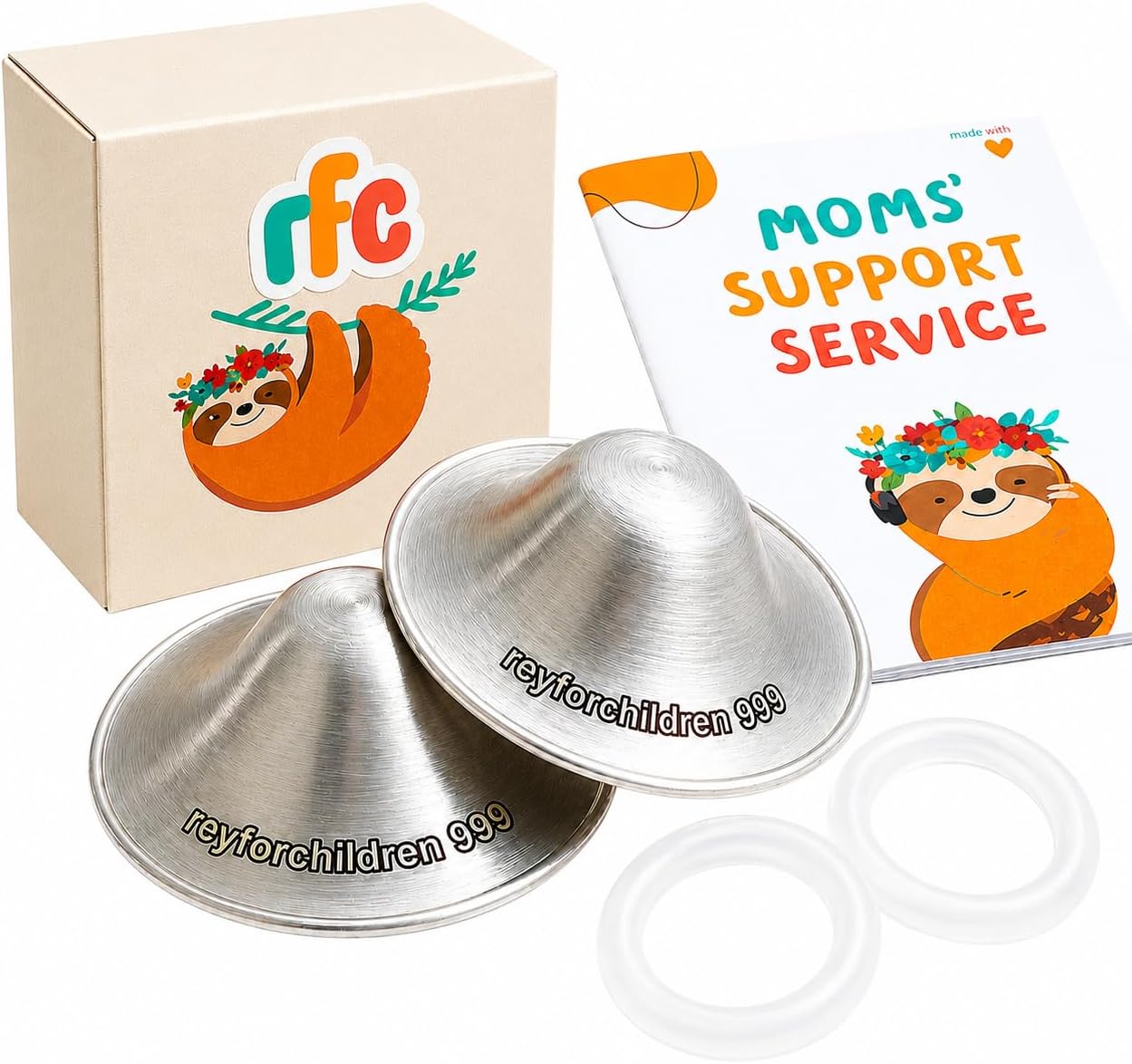
RFC Silver Nursing Cups
On the nights your baby only settles being held, sore nipples make an already tiring stretch harder. Silver cups help skin recover in the pockets of rest you do get.
Swaddling, white noise, and warming the sleep space before a transfer all mimic parts of what your arms were providing, containment, sound, and warmth, and can extend independent sleep time as your baby's nervous system gradually matures. Physical closeness during contact naps also releases oxytocin in both of you, which is part of why it feels good even when it is exhausting, not just a coincidence of comfort.
This stage does not last
This stage is temporary. Most babies grow noticeably more tolerant of being put down over the first few months as the startle reflex fades and sleep cycles mature past the newborn stage. There is no need to force independence earlier than your baby's nervous system is ready for it, the fourth trimester asks a lot of both of you, and holding your baby through it is not something to fix.
What to try, roughly in order of effort
Swaddling snugly, using white noise at a steady volume, and holding your baby for ten to twenty minutes after they fall asleep before attempting a transfer, keeping them tilted rather than laid flat during the move, all reduce the odds of an immediate wake-up. Warming the sleep surface briefly with a heating pad removed before laying your baby down can also help ease the temperature shock of the transfer.
The transfer, broken down into steps
How you move your baby from arms to crib matters almost as much as how long you wait beforehand. Keep your baby curled and tilted to one side during the move rather than laying them flat all at once, the sudden flat position and open space under their back is often what triggers the startle reflex. Lower your baby feet-first, letting the bottom touch down before the head and shoulders, and keep one hand resting gently on their chest for a few seconds after they are down before slowly withdrawing it. If they stir, a few seconds of stillness with your hand still in place, rather than immediately picking them back up, sometimes lets them settle back down on their own.
Sharing the load so it does not fall on one person
Contact naps are physically demanding to sustain alone for weeks on end, and splitting the load, even imperfectly, tends to matter more for parental wellbeing than finding the perfect transfer technique. A carrier or wrap frees up a partner's hands for the same closeness a newborn needs without requiring anyone to sit still on a couch for hours. Trading off in shifts, one adult handling contact naps in the morning, another in the afternoon, if that is available to you, prevents any one person from being permanently stuck under a sleeping baby. If you are parenting solo through this stretch, a carrier for daytime naps and accepting that nighttime will simply require more physical contact for now, rather than fighting it, tends to be the more sustainable approach.
Gear that can genuinely help, and gear that mostly does not
A firm, well-fitted bassinet placed directly beside your bed shortens the physical distance of a transfer, which alone reduces jostling enough to matter for some babies. A supportive, ergonomic carrier that keeps a newborn in a natural hip position extends contact time without straining your own back over weeks of heavy use. Motion or vibration-based sleep products marketed specifically as newborn "must-haves" have a much shakier track record, some babies respond well, many do not, and current safe sleep guidance is specific about which products are appropriate for unsupervised sleep versus supervised soothing only, so check safety guidance for any product before relying on it during unattended sleep.
Frequently asked questions
At what age can babies sleep without being held?
Many families notice a real shift between three and four months as the startle reflex fades and sleep cycles mature, though it varies by baby.
Is it safe to sleep with my baby on my chest?
Only if you are awake and alert, planned contact naps with a sleeping baby on an unmonitored, unsafe surface like a couch carry real risk, safe sleep guidelines still apply.
Is contact napping safe?
It can be, if the adult holding the baby is awake, alert, and not under the influence of anything impairing, following safe sleep guidance otherwise. Contact naps become riskier specifically when the holding adult also falls asleep in an unsafe position, like a couch or recliner.
Will holding my baby this much spoil them?
No credible research supports this. In the first months, responding to a baby's need for contact builds security rather than dependency, and most babies naturally tolerate more independent time as their nervous system matures over the following months.
At what age does this usually get easier?
Many families notice a real shift somewhere between three and four months, as the Moro reflex fades and sleep cycles mature, though it varies meaningfully by baby and is not a fixed deadline.
Does babywearing help during the day if not at night?
Yes, many parents use a carrier during the day specifically to get a break for both hands while still meeting a baby's need for closeness, reserving crib or bassinet attempts for the more controlled environment of a nighttime routine.
This article shares general information and real-world experience — it isn't medical advice and doesn't replace guidance from your doctor, midwife, or a certified lactation consultant. If something feels off with you or your baby, please reach out to a professional who knows your situation.