Breastfeeding & Nursing · August 18, 2026 · 7 min read
Written by The New Mom Journal Editorial Team · Updated August 18, 2026
Breast Milk Storage Guidelines: How Long Is It Actually Good For?
There is a very specific kind of standing-in-front-of-the-fridge moment that comes with pumping: a bag of milk in your hand, a date scrawled on the label, and no real idea whether it is still good. Guessing wrong feels like a bigger deal than it is, either wasting hard-earned milk out of caution or second-guessing something that was actually fine.
The real guidelines are more forgiving than most new parents expect, and once the three storage windows are clear, that fridge-door hesitation mostly goes away.
The three storage windows that actually matter
Freshly expressed milk kept at room temperature (up to about 77°F/25°C) is good for up to 4 hours, and can stretch to 6 hours in very clean conditions if it has to. In the back of the refrigerator, not the door, where temperature swings the most, it holds for up to 4 days. In a freezer, it keeps for up to 6 months at best quality, and is still considered safe up to 12 months in a deep freezer that stays reliably cold. Those are the numbers pediatric guidelines actually use, not the more cautious folklore many parents have heard secondhand.
4 days
is how long freshly pumped milk is good for in the back of the refrigerator, longer than most new parents assume, according to CDC and AAP storage guidance.
Containers and labeling that actually holds up
Glass or BPA-free plastic bottles with tight lids, or bags made specifically for milk storage, all work equally well, there is no evidence one outperforms the other for safety. What matters more is leaving a little room at the top before freezing, since milk expands, and labeling every container with the date expressed before it goes anywhere near the fridge or freezer, not after. A label written in the moment is accurate; a label added later from memory usually is not.
Thawing and warming without wrecking a feed
Thaw frozen milk gradually, either overnight in the refrigerator or by holding the container under cool, then gradually warmer, running water. Once thawed, use it within 24 hours and never refreeze it. Skip the microwave entirely, it heats unevenly and can create hot spots along with breaking down some of the milk's beneficial components; a bowl of warm water works better and is just as fast in practice.
Comfort between pumping sessions
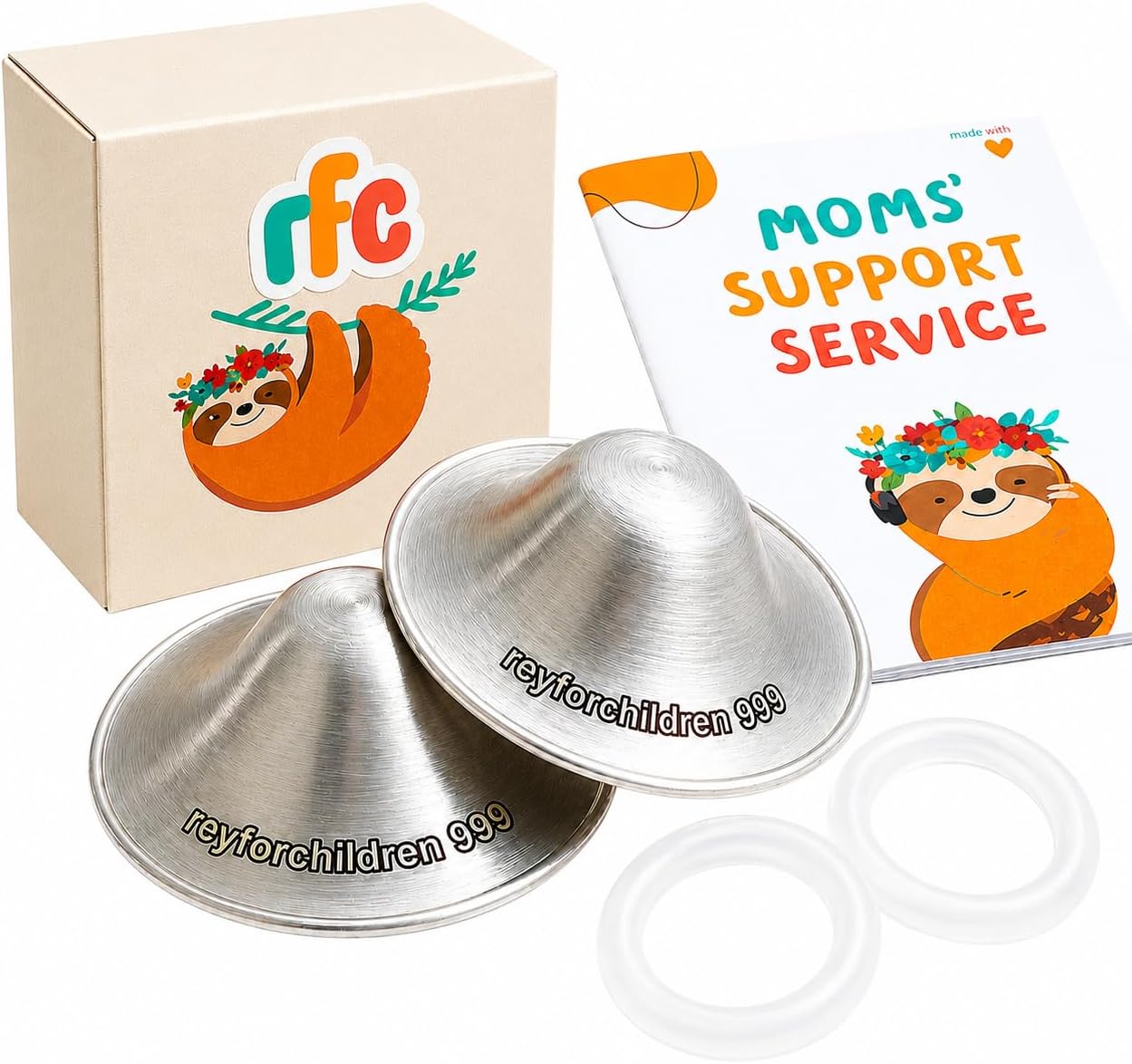
RFC Silver Nursing Cups
Building a freezer stash usually means more sessions at the pump or breast, and more wear on already-tender skin. Silver nursing cups help nipples recover between sessions, so keeping up with storage does not have to come at the cost of comfort.
Why the date on the bag is not the only thing that matters
A storage window is a ceiling, not a guarantee, and milk can occasionally go off before it. Thawed milk that smells soapy is usually just a normal, harmless variation in how a particular parent's lipase enzyme breaks down fat, not spoilage, and it is generally still safe to feed. Milk that smells sour or rancid, closer to spoiled dairy, is the actual sign to discard it, regardless of what the label says. When the smell and the date disagree, trust the smell.
A simple system that survives a 3am fridge search
Storing milk in small, feeding-size portions (2 to 4 ounces) avoids thawing more than gets used, and freezing bags flat, then filing them upright like folders once solid, makes the oldest ones easy to find and grab first. A basic first-in-first-out habit, using the oldest milk before the newest, is really the only "system" needed, no app or spreadsheet required, just a freezer that is not a jumbled pile.
Common mistakes that quietly waste milk
Topping off an older container with a fresh, still-warm batch resets the clock on the whole thing to the oldest milk's original date, so cool fresh milk separately before combining. Milk left out on the counter "just for a few extra hours" past the 4 to 6 hour window is the single most common way good milk gets tossed unnecessarily late, not too early. And milk that thaws partway during a power outage or a forgotten freezer door is safe to refreeze only if it still contains ice crystals throughout, once it is fully liquid, treat it as thawed and use it within 24 hours instead.
Frequently asked questions
Can I mix milk pumped at different times into the same container?
Yes, as long as the milk being added has been cooled in the refrigerator first, not added warm straight from the pump. Once combined, the container follows the storage window of the oldest milk in it.
Is it safe to pack a bottle in a diaper bag without ice for a few hours?
The same room-temperature window applies, up to about 4 hours, longer only in cool conditions. An insulated cooler bag with an ice pack is a safer bet for anything longer than a quick outing.
Does the "sniff test" actually work for spoiled breast milk?
Yes, smell is a genuinely reliable check. A soapy or metallic smell from lipase activity is normal and safe, while a sour or rancid smell means it should be discarded, regardless of how long it has actually been stored.
Can I refreeze breast milk that has thawed?
Only if it still has visible ice crystals and has not fully thawed. Once it is completely liquid, it should be used within 24 hours and not refrozen.
Do glass and plastic containers store milk differently?
No meaningful difference for safety or storage duration. BPA-free plastic bottles or bags made for milk storage and glass containers with tight lids all work, leaving room for expansion before freezing matters more than the material.
How much milk should I actually store per bag?
Small, feeding-size portions of 2 to 4 ounces are easiest to work with, since they thaw quickly and reduce how much gets wasted if a baby does not finish a larger amount.
This article shares general information and real-world experience — it isn't medical advice and doesn't replace guidance from your doctor, midwife, or a certified lactation consultant. If something feels off with you or your baby, please reach out to a professional who knows your situation.