
It's one of the most universal parts of the first year, and somehow it still catches most parents off guard the first time: a red, irritated patch across your baby's bottom that seems to show up overnight. Diaper rash isn't a sign you're doing something wrong. It's one of the most common skin issues in infancy, and most cases clear up within a few days once you know what's actually driving it.
What's actually causing it
The most common cause by far is simple irritation, not infection. Urine and stool sitting against skin for even a short stretch break down its natural barrier, and the friction of a diaper rubbing against already-softened skin makes it worse. It tends to show up when something changes the usual routine: a growth spurt or illness that means more frequent feeds and wetter diapers, a new food that changes the acidity of stool, a longer stretch between changes than usual (a long car ride, a longer overnight sleep stretch), or simply more diaper time overall during a cold or a teething stretch when everything feels harder to keep up with.
The barrier-cream technique most parents get wrong
Applying diaper cream isn't the same as applying lotion, and the difference matters more than most people realize. A thin, rubbed-in layer does very little. The goal is a visibly thick, opaque layer of a zinc oxide-based cream (look for 10 to 40 percent zinc oxide on the label) that acts as a physical barrier between skin and moisture, not something meant to be absorbed. At the next change, there's no need to scrub the old layer off entirely either: wipe away what's soiled and add a fresh layer on top, since repeated wiping to get skin "clean" underneath usually just re-irritates it.
When it's yeast, not just irritation
A rash that hasn't budged after two or three days of consistent barrier cream, or one that looks distinctly different, a beefy, bright red patch with small separate red dots just outside its main border (called satellite lesions), is more likely a yeast (candida) diaper rash rather than plain irritation. It's especially common after a course of antibiotics, which knock back the bacteria that normally keep yeast in check, and it tends to settle into the warm, moist skin folds rather than spreading evenly. If you've read about nipple thrush, it's the same organism, just showing up on a different part of the body, and it needs an antifungal cream rather than more zinc oxide to actually clear.
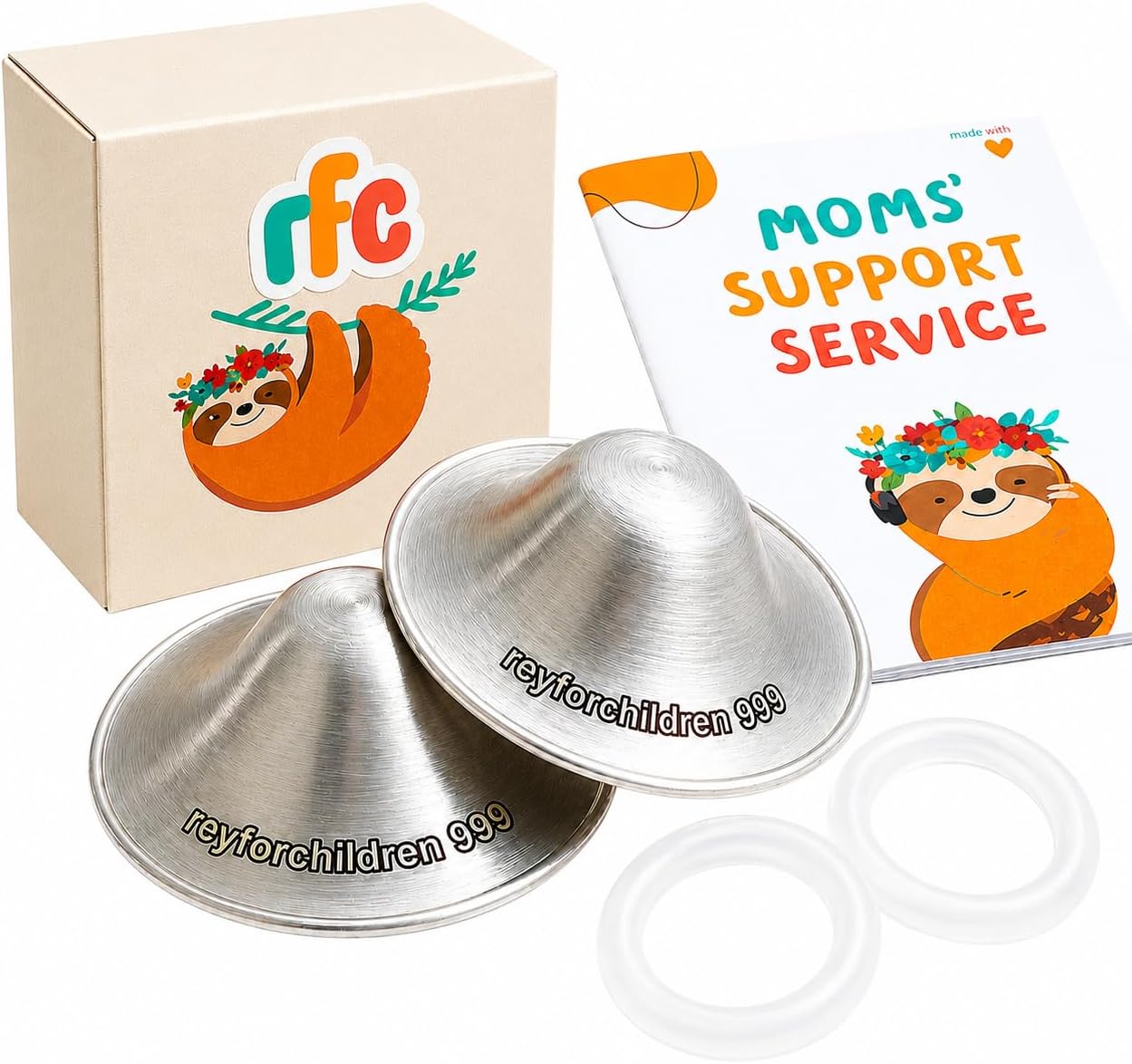
The same stretches that mean more diaper changes usually mean more feeds, too
RFC Silver Nursing Cups
Growth spurts, teething, and illness tend to bring on a diaper rash flare-up and a run of extra night feeds at the same time, since a fussier baby usually means more of everything. While you're keeping up with frequent diaper changes, silver cups worn between feeds give your own skin the same kind of recovery time you're giving your baby's.
View on AmazonWhat actually helps, beyond cream
Frequent changes matter more than any product: checking every couple of hours rather than waiting for a diaper to feel heavy, and changing as soon as reasonably possible after a stool. Bare skin time, a few minutes with the diaper off between changes, gives already-irritated skin a chance to fully dry out, which a cream alone can't quite replicate. When you do wipe, plain water and a soft cloth or fragrance-free wipes are gentler than scented ones, and patting rather than rubbing dry avoids adding more friction to skin that's already sensitive.
What tends to make it worse
Baby powder is worth skipping entirely, not because it doesn't absorb moisture, but because the fine particles are genuinely risky to inhale for a baby's developing lungs, and it offers no real advantage over a good barrier cream anyway. Alcohol-based or heavily fragranced wipes sting on already-broken skin and can slow healing rather than help it. And switching diaper brands or sizes mid-flare to chase a fix rarely does much. A poor fit, too tight, or rubbing at the legs or waist, is worth ruling out, but the cream-and-air-time routine is doing most of the actual work.
When to call your pediatrician
Most diaper rash clears with a few days of consistent care and doesn't need a doctor's visit. Call if the rash includes blisters, pus, or open sores, if it's bleeding or spreading well beyond the diaper area, if your baby has a fever alongside it, or if a rash you've been treating consistently for three or four days hasn't improved at all, since that's often the point where a prescription-strength antifungal, or less commonly an antibiotic cream, is what's actually needed.
Frequently asked questions
How long does diaper rash usually last?
Simple, irritation-based diaper rash usually clears within two to three days once you're changing diapers frequently, using a thick barrier cream, and giving skin some bare-air time. If it hasn't improved after three or four days of consistent care, it's worth checking whether something else, like a yeast infection, is actually going on.
How can I tell if it's a yeast diaper rash?
Look for a beefy, bright red rash with small separate red spots (satellite lesions) just outside the main patch, especially if it showed up after a course of antibiotics or hasn't responded to a few days of regular zinc oxide cream. Yeast diaper rash needs an antifungal cream to clear, not just more barrier cream.
Is baby powder safe to use for diaper rash?
It's better to skip it. The fine powder particles can be inhaled and are genuinely risky for a baby's lungs, and a good zinc oxide barrier cream does the moisture-blocking job just as well without that risk.
Do I need to fully clean off the old cream at every change?
No, and trying to fully clean it off at every change usually does more harm than good. Wipe away what's visibly soiled, then add a fresh layer of cream on top rather than scrubbing skin that's already irritated.
Can teething cause diaper rash?
Not directly, but teething often comes with more drooling that gets swallowed, which can loosen stools and lead to more frequent, wetter diapers, both of which raise the odds of irritation. It's the extra diaper changes and looser stool doing the work, not teething itself.
When should I call the doctor about diaper rash?
Call if you see blisters, pus, or open sores, if the rash is bleeding or spreading beyond the diaper area, if your baby has a fever, or if a rash you've treated consistently for three or four days shows no improvement at all.


