
Sore, cracked nipples get most of the attention in breastfeeding advice, but a different kind of pain shows up for a lot of mothers too: a tender lump, or an ache that spreads and suddenly comes with a fever. That is a clogged duct or mastitis, and they are common enough that most breastfeeding mothers deal with one or the other at some point, but the two are not the same thing and do not always call for the same response.
What a clogged duct actually is
A clogged or plugged duct happens when milk backs up behind a narrowed or blocked section of a milk duct, usually from a feed that was skipped, a bra that pressed too tightly, or a position that did not fully drain one area of the breast. It shows up as a firm, tender lump, often only on one side, sometimes with mild redness over the spot, but generally without a fever or the flu-like feeling that comes with a more serious infection.
What mastitis actually is
Mastitis is inflammation of breast tissue, and it can develop from a clogged duct that was not cleared, though it can also start on its own. The signs are more intense and more systemic: a red, warm, often wedge-shaped area of the breast, pain that is harder to ignore, and, in a meaningful share of cases, a fever along with chills, body aches, and a flu-like exhaustion that comes on fairly quickly.
Side by side: the signs that actually distinguish them
- Clogged duct: a firm, localized lump, tender to the touch, usually no fever, symptoms often start easing within a day or two with home care.
- Mastitis: spreading redness and warmth, more intense pain, fever and chills, flu-like fatigue, symptoms that do not ease or that worsen over 24 hours despite home care.
- Both: can happen on one side only, both are more likely when a feed is skipped, a growth spurt increases demand suddenly, or a bra or baby carrier presses on one spot for a long stretch.
Home care for a clogged duct
The core idea is drainage. Nurse or pump on the affected side more frequently, starting feeds on that side while your baby is most eager to latch deeply. Positioning your baby with their chin pointed toward the clogged area can help that section drain more effectively during a feed. A warm compress or warm shower for a few minutes right before nursing can help milk start flowing, and gentle stroking toward the nipple, not deep or aggressive massage, during the feed can help. Lactation guidance has actually shifted away from vigorous massage in recent years, since firm pressure on inflamed tissue can sometimes increase swelling rather than relieve it.
For the nipple pain that comes with it
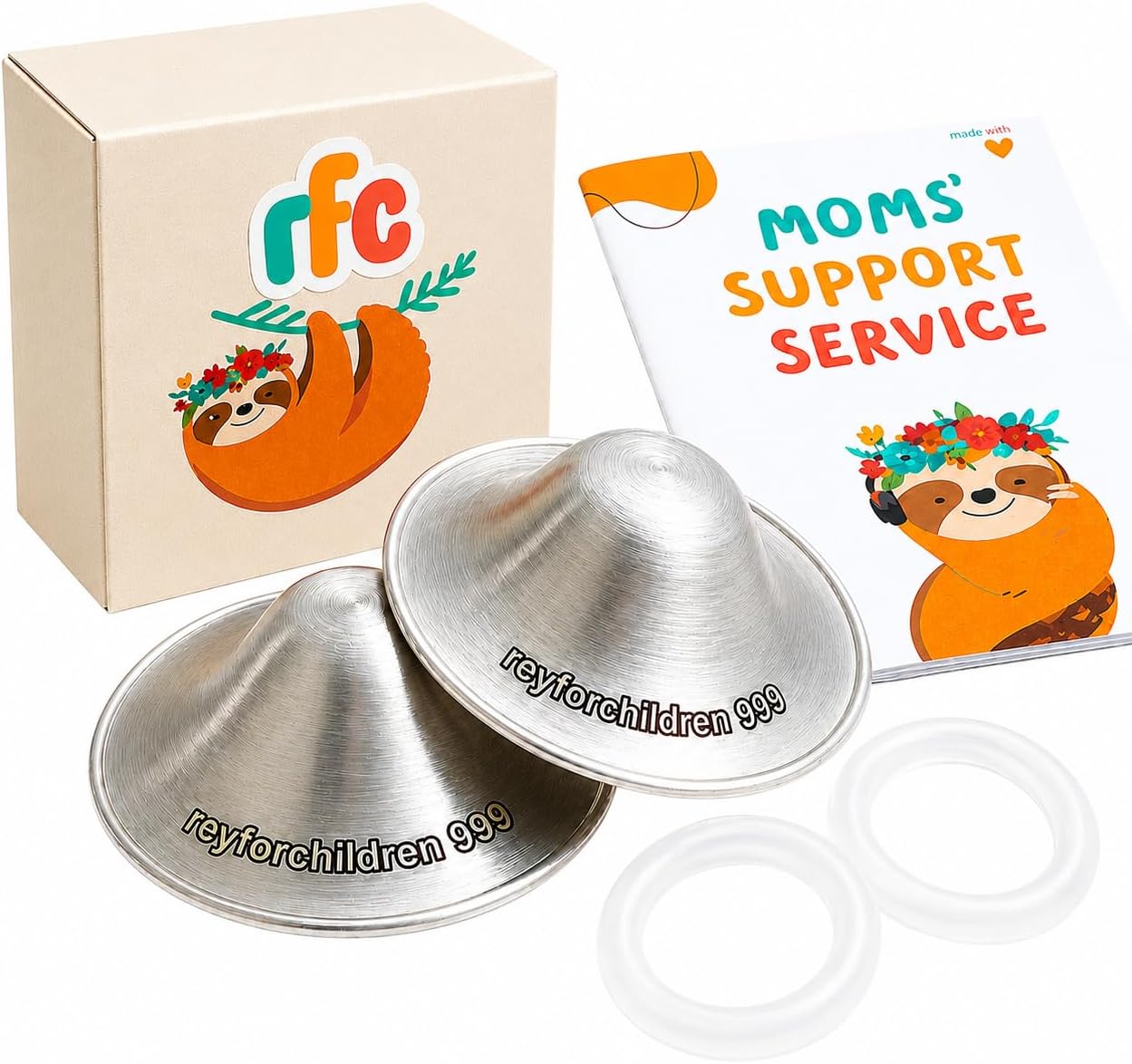
RFC Silver Nursing Cups
Clearing a clogged duct means nursing more, not less, which can leave nipples more sore than usual in the meantime. Silver cups worn between those extra sessions give skin a chance to recover without adding a cream to wipe off.
View on AmazonWhen it is time to call your doctor
Reach out the same day if you notice a fever of 100.4°F (38°C) or higher, redness that is spreading rather than staying in one spot, red streaking, pus or blood in your milk, or flu-like symptoms that come on quickly. Also call if a clogged duct has not started improving after 24 to 48 hours of consistent home care, since untreated mastitis can occasionally progress to a breast abscess, which needs different treatment. Mastitis is often, though not always, treated with antibiotics, and a course started early tends to resolve faster than one started after symptoms have been building for days.
Can you keep breastfeeding through it?
Yes, and in most cases you should. Continuing to nurse or pump on the affected side is part of how both a clogged duct and mastitis resolve, since keeping milk moving is what clears the blockage and reduces inflammation. The milk itself is safe for your baby even during an active case of mastitis. Stopping abruptly on that side tends to make engorgement and the underlying blockage worse, not better, so unless a doctor has told you otherwise for a specific reason, working through the discomfort with frequent, gentle drainage is the more effective path.
Reducing the odds it happens again
A few habits lower the chances of a repeat episode. Try not to let stretches between feeds or pumping sessions get too long, particularly overnight or during a growth spurt when demand spikes. A well-fitted, non-underwire bra avoids the localized pressure that often triggers a clog in the first place. Varying feeding positions across the day changes which ducts drain most fully, rather than always emptying the same section. And if you notice a tender spot starting to form, treating it that same day with warmer compresses and more frequent nursing on that side is far more effective than waiting to see if it resolves on its own.
What tends to get mistaken for one or the other
Normal engorgement, breasts feeling generally full and firm in the first couple of weeks as your milk supply establishes, is often confused with a clogged duct, but engorgement is usually symmetric on both sides and eases significantly after a feed, while a clog stays localized to one firm spot. A blocked nipple pore, sometimes called a milk blister, can also cause sharp, localized pain during a feed that resembles a clog but is actually a small plug right at the nipple surface, visible as a tiny white or yellow dot, and it often needs a slightly different approach, gentle exfoliation or a warm soak right at that spot, rather than the broader drainage techniques used for a deeper duct.
Frequently asked questions
How can I tell a clogged duct from mastitis?
A clogged duct is typically a firm, localized lump without a fever, while mastitis adds spreading redness, more intense pain, and often a fever with flu-like symptoms. If a fever develops or a lump is not improving after a day or two of home care, treat it as likely mastitis and call your doctor.
Do I need antibiotics for a clogged duct?
Usually not. A clogged duct on its own typically resolves with frequent nursing, warm compresses, and gentle drainage within a day or two. Antibiotics come into play if it progresses to mastitis with fever or spreading symptoms, and that decision should be made by your doctor.
Is it safe to keep nursing with mastitis?
Yes. Continuing to nurse or pump on the affected side helps clear the underlying blockage and is considered a normal part of recovery. Your milk remains safe for your baby during mastitis.
Can pumping too much cause a clogged duct?
Overpumping is less commonly a cause than underdraining, but an ill-fitting pump flange or inconsistent pumping schedule can both contribute. Skipped or delayed sessions and localized pressure from a bra or carrier are more frequent triggers than pumping too frequently.
How long does mastitis usually last with treatment?
Many mothers notice real improvement within 24 to 48 hours of starting antibiotics, if they are prescribed, combined with continued nursing and rest. Finishing the full course as directed, even after you feel better, matters for fully clearing the infection.
Can mastitis happen without a fever?
Yes, some cases present with localized redness and pain but no fever, particularly if caught early. A fever is a strong signal it is mastitis rather than a simple clog, but its absence does not rule mastitis out entirely, especially if redness is spreading.


