Written by The New Mom Journal Editorial Team · Updated July 20, 2026
Newborn Weight Loss: When It's Normal and When to Worry
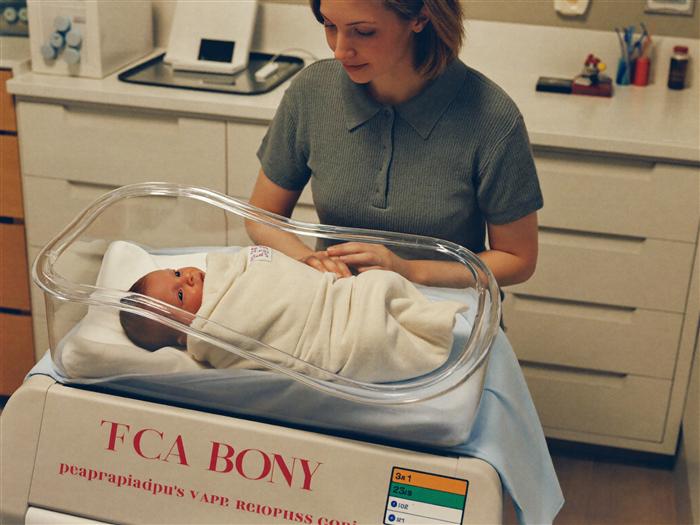
Newborn weight loss in the first days of life is nearly universal, and for most families, nobody warns them this is coming before it happens on the scale at the first pediatrician visit.
The numbers pediatricians actually watch
A weight loss of up to seven percent is considered normal for breastfed babies, occasionally stretching to as much as ten percent before it turns around, typically bottoming out around day two to four as milk transitions from colostrum to a higher volume. Formula-fed babies tend to lose slightly less, often closer to five percent, simply because formula intake is more consistent from the very first feed.
≤7%
birth weight loss is the typical range pediatricians expect in breastfed newborns before weight gain begins, usually by day three or four.
What the follow-up visits are checking for
Most babies are back to their birth weight by two to three weeks. What doctors watch for is loss beyond ten percent, or no clear upward trend by the one-week mark, either of which usually prompts a closer feeding evaluation rather than immediate concern. Clear signs worth a call sooner include fewer than six wet diapers a day after day five, a baby who seems too sleepy to feed well, or no visible weight regain by the two-week checkup.
Supporting frequent feeds
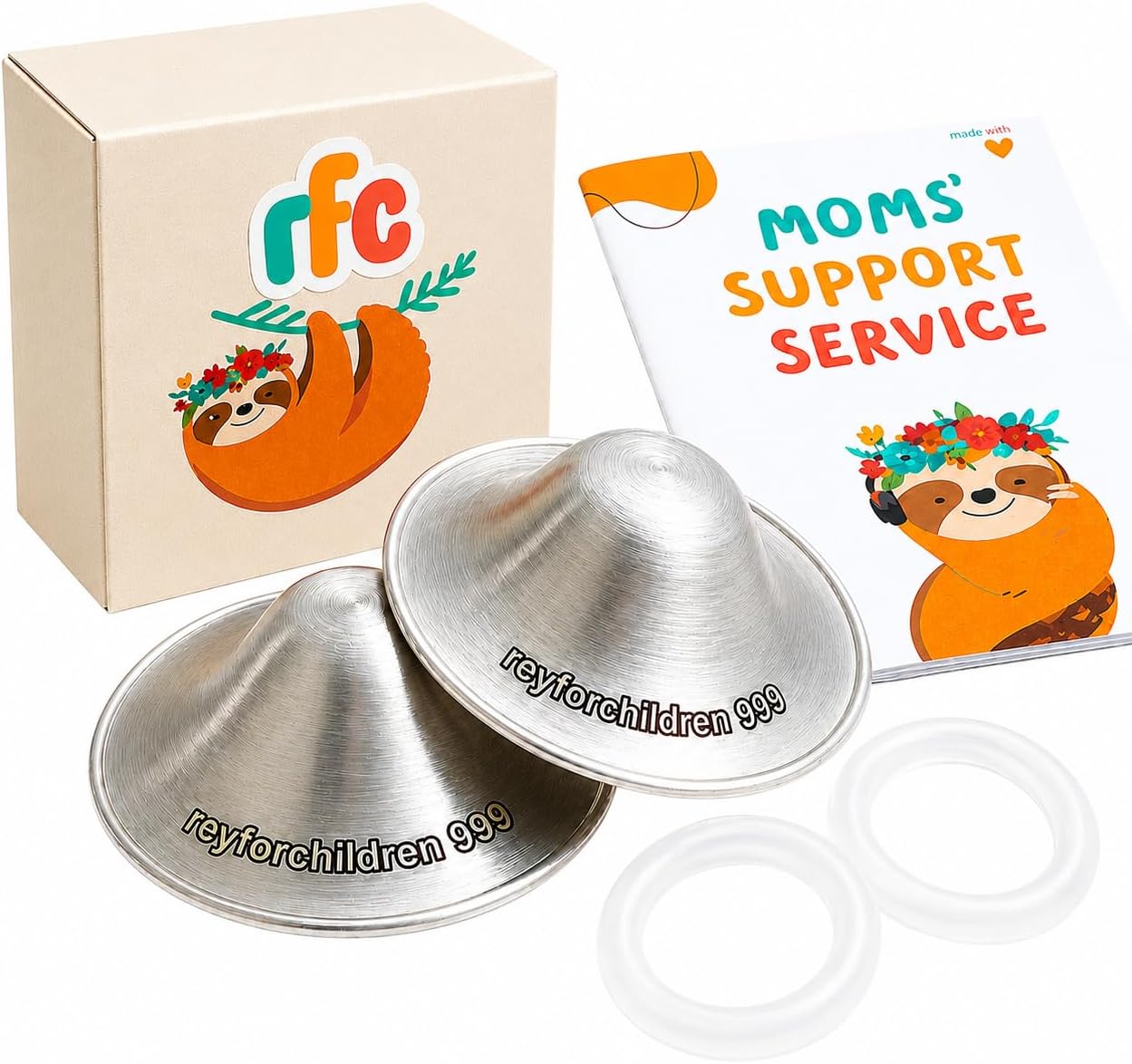
RFC Silver Nursing Cups
Getting weight gain back on track often means more frequent nursing. Silver nursing cups help nipples keep up with that increased demand.
Rather than tracking the scale daily at home, which can create anxiety without much added information, watching wet diapers, stool patterns, and overall feeding behavior gives a clearer, less stressful read on whether things are moving in the right direction between official weigh-ins. A baby who feeds eight to twelve times a day, swallows audibly, and produces the expected number of wet and dirty diapers is very likely gaining exactly as expected, even if the home scale is not something you have access to.
Other early growth milestones worth knowing
After the initial dip, most newborns gain roughly one ounce a day through the first few months, doubling their birth weight by around four months and tripling it by their first birthday. Growth is not perfectly linear week to week, so a slower week followed by a catch-up is common and not automatically a concern, especially around growth spurt windows at two to three weeks, six weeks, and three months when feeding patterns temporarily shift.
Understanding percentile charts without spiraling over them
A percentile on a growth chart tells you how your baby compares to a reference population, not whether your baby is healthy. A baby steadily tracking along the 10th percentile is generally just as healthy as one tracking along the 90th, what pediatricians watch most closely is the trend over time, not the specific number at any single visit. A sudden drop across two or more percentile lines is more meaningful than sitting consistently on a lower line, and that trend-based view is exactly why regular well-visits matter more than any one weigh-in, including ones done at home.
If a follow-up visit does flag slow gain
Being asked to come back sooner than the standard schedule is common and does not automatically mean something is seriously wrong, it usually means your pediatrician wants closer tracking while a feeding adjustment takes effect. A typical plan might include a lactation consultation to rule out a latch or tongue-tie issue, more frequent feeding or an added pumping session to boost intake, and a weight recheck within a few days to a week rather than waiting for the next standard visit. Most babies flagged for a closer follow-up catch up well once the underlying feeding issue, if there is one, is identified and addressed.
Weight tracking for premature or low-birth-weight babies
Babies born early or at a lower birth weight are typically tracked against a different, more individualized curve than the standard newborn timeline, and their pediatrician or a NICU follow-up team usually adjusts expectations for age based on due date rather than birth date, sometimes called "corrected age." A slower initial trajectory is expected and closely monitored rather than alarming on its own, since these babies often need more calories per pound to catch up and may need fortified breast milk or specialized formula temporarily to support that. If your baby was born early, ask your pediatrician directly what growth curve and corrected-age timeline they are using, since applying standard full-term expectations to a premature baby's chart can cause unnecessary worry.
Frequently asked questions
How much weight should a newborn lose after birth?
Up to seven percent is typical for breastfed babies, occasionally up to ten percent, with weight gain resuming by day three or four in most cases.
When should a newborn be back to birth weight?
Most babies return to their birth weight by two to three weeks of age, this is one of the main things checked at early follow-up visits.
Do formula-fed and breastfed babies lose weight differently?
Slightly. Formula-fed newborns often lose a bit less initially, commonly around five percent versus seven to ten percent for breastfed babies, largely because formula intake tends to be more consistent from the very first feed while breastfeeding and milk supply are both still establishing.
Should I buy a scale to weigh my baby at home?
Most pediatricians do not recommend it. Home scales vary in accuracy, and daily weighing tends to create anxiety without meaningfully changing what you would do differently. Wet diapers and feeding behavior are more useful day-to-day indicators between official visits.
What happens at the follow-up visit if weight loss is still a concern?
Your pediatrician will typically reassess feeding, check for latch or tongue-tie issues, and may recommend closer follow-up, additional lactation support, or in some cases temporary supplementation while the underlying cause is addressed.
Can jaundice be related to weight loss in the same window?
Yes, the two are connected. Adequate feeding helps clear bilirubin through stooling, so a baby who is not feeding enough may show both slower weight gain and more pronounced jaundice, which is one reason pediatricians track both closely in the first week.
This article shares general information and real-world experience — it isn't medical advice and doesn't replace guidance from your doctor, midwife, or a certified lactation consultant. If something feels off with you or your baby, please reach out to a professional who knows your situation.