Written by The New Mom Journal Editorial Team · Updated July 20, 2026
Power Pumping 101: Does It Really Boost Your Supply?
Power pumping mimics the cluster feeding a baby naturally does during a growth spurt, telling your body to make more milk by removing it more often over a short, concentrated window rather than spread evenly across the day.
The schedule lactation consultants actually recommend
A typical session looks like twenty minutes of pumping, ten minutes of rest, ten minutes of pumping, ten minutes of rest, then a final ten minutes of pumping, done once a day for about five to seven days. The rest periods matter as much as the pumping itself, they are what allows your body to register the repeated demand as a pattern worth responding to, rather than a single unusual event.
~1hr
is roughly the total time a single power pumping session takes, done once daily for about five to seven days to see a supply response.
What it can and cannot do
It is not a quick fix, and it will not work miracles overnight. What it can do is give your body a clear, repeated signal during a specific window, like before returning to work, ahead of a trip, or during a growth spurt when demand has genuinely increased. Most lactation consultants suggest giving it a full week before judging whether it has made a difference, since supply changes are rarely visible after just one or two sessions.
What it cannot do is fix a latch problem, resolve a tongue-tie issue, or replace a lactation consultant's help if something structural is going on with feeding or supply. If power pumping is not moving the needle after a week, that is a sign to look for an underlying cause rather than pumping harder.
For the pumping sessions in between
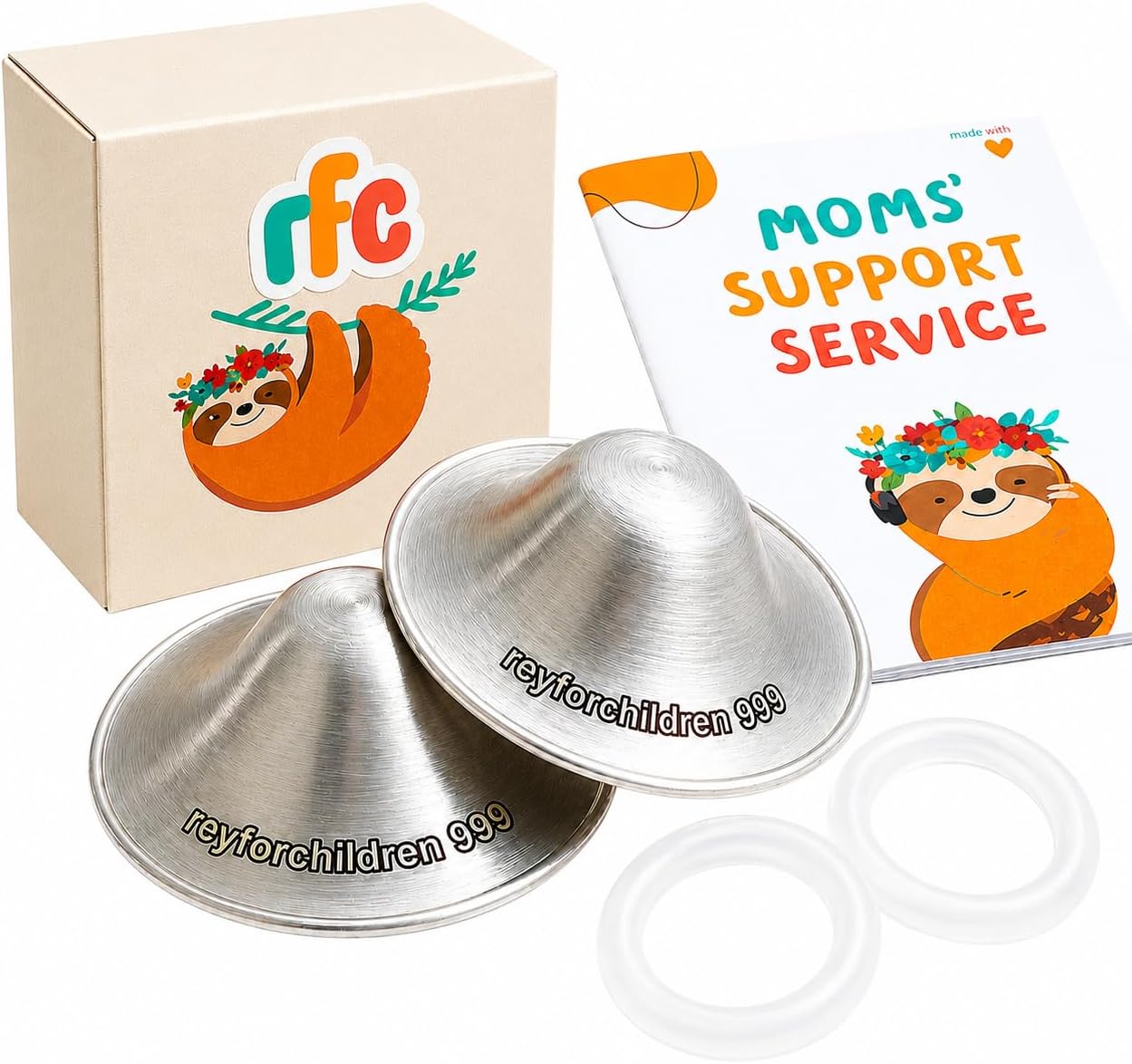
RFC Silver Nursing Cups
Skin needs recovery time whether milk is removed by baby or by pump. Silver cups soothe and protect between sessions on heavy pumping days.
Most lactation consultants suggest choosing a consistent time of day, often first thing in the morning when supply is naturally highest, and sticking with it for the full week rather than pumping at random times. Staying hydrated, eating enough calories, and getting what rest you can all support the response, since power pumping asks your body to do more work, not less.
Getting the flange size right before you start
More mothers give up on power pumping because of an ill-fitting flange than because the technique itself does not work. If your nipple rubs against the tunnel walls during pumping, or if a ring of white or discolored skin forms right at the base of the nipple after a session, the flange is too small. If too much areola gets pulled in with each cycle, it is likely too large. Most pump manufacturers offer several flange sizes beyond what ships in the box, and sizing up or down even a millimeter or two can turn a painful, low-output session into a comfortable, effective one. This is worth sorting out before committing to a full week of daily sessions, since a bad fit compounds fast when you are pumping this frequently.
Mistakes that quietly undercut the results
A few habits reduce how well power pumping works even when the schedule itself is followed correctly. Pumping on a suction setting that is higher than comfortable does not remove milk any faster and mostly just adds nipple irritation, comfort at a slightly lower setting for a longer cycle generally outperforms cranking it to maximum. Skipping the rest periods to save time defeats the purpose, since the pattern of demand and pause is what signals your body, not the total suction time alone. And starting the week already exhausted or under-fed makes the whole routine harder to sustain, if possible, pick a week where you can also protect a bit of extra rest and food, not just pumping time.
What realistic success actually looks like
Power pumping rarely produces a dramatic, obvious jump in output mid-session, the response is usually gradual and shows up more clearly over the following days than during the hour itself. A realistic marker of success is a modest, steady increase in pumped or nursed volume by the end of the week, not a sudden doubling on day two. If output has not moved at all after a full week of consistent sessions, that is meaningful information, it suggests the limiting factor is something power pumping alone cannot fix, like flange fit, an underlying latch issue, or a hormonal factor, and it is a reasonable point to loop in a lactation consultant rather than repeating the same week again hoping for a different result.
Frequently asked questions
How soon after birth can I start power pumping?
It is generally used once breastfeeding is established, typically after the first few weeks, rather than in the very early days when supply is still naturally calibrating on its own.
Is power pumping the same as exclusive pumping?
No, power pumping is a short, targeted technique to boost supply, while exclusive pumping means feeding a baby entirely with pumped milk instead of nursing directly, the two are unrelated concepts that happen to both involve a pump.
Can I power pump and breastfeed on the same day?
Yes, many mothers do this specifically around a single daily session added on top of normal nursing, rather than replacing any feeds.
What if I do not see any difference after a week?
That is a reasonable point to stop and consider other factors, such as latch quality, pump fit and suction settings, or an underlying medical cause, with the help of a lactation consultant, rather than continuing to power pump indefinitely without a plan.
Is power pumping safe to do every day long-term?
It is generally used as a short, targeted intervention, about a week at a time, rather than an ongoing daily practice, since the goal is to reset supply to a new baseline, not to keep signaling for more indefinitely.
Does the specific pump matter for this to work?
A double electric pump with a properly fitted flange size makes a real difference in both comfort and how effectively milk is removed, which in turn affects how well the technique works. An ill-fitting flange can cause pain and reduce output regardless of the schedule you follow.
This article shares general information and real-world experience — it isn't medical advice and doesn't replace guidance from your doctor, midwife, or a certified lactation consultant. If something feels off with you or your baby, please reach out to a professional who knows your situation.