Breastfeeding & Nursing · Mar 27, 2026 · 6 min read
Written by The New Mom Journal Editorial Team · Updated July 20, 2026
Nursing in Public Without the Anxiety: A Practical Guide
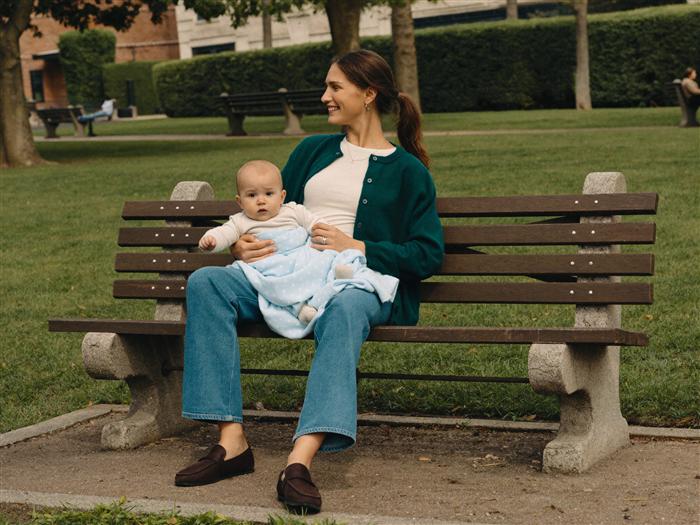
A latch you trust changes everything about leaving the house. The anxiety around nursing in public is rarely about the nursing itself, it is about not knowing whether this particular latch, in this particular chair, is going to go smoothly in front of other people.
What actually makes it easier
Practicing at home in front of a mirror, in the outfit you are likely to wear out, removes most of the guesswork before you are ever in public. A layered outfit, a baby carrier for hands-free settling, and picking a first outing that is short and familiar, like a coffee shop instead of a crowded event, all lower the stakes considerably. Many mothers find that the first few times are the hardest, and it becomes almost unremarkable after that.
Your legal protections
Legally, in the United States, you are protected to breastfeed in any public or private location where you are otherwise allowed to be, this has been true in all fifty states, Washington D.C., and Puerto Rico since 2018, when Idaho and Utah were the last states to pass explicit protections. In thirty-one states, breastfeeding laws specifically exempt nursing parents from public indecency laws, meaning no one can legally claim it is inappropriate for you to nurse without a cover.
One less variable to think about
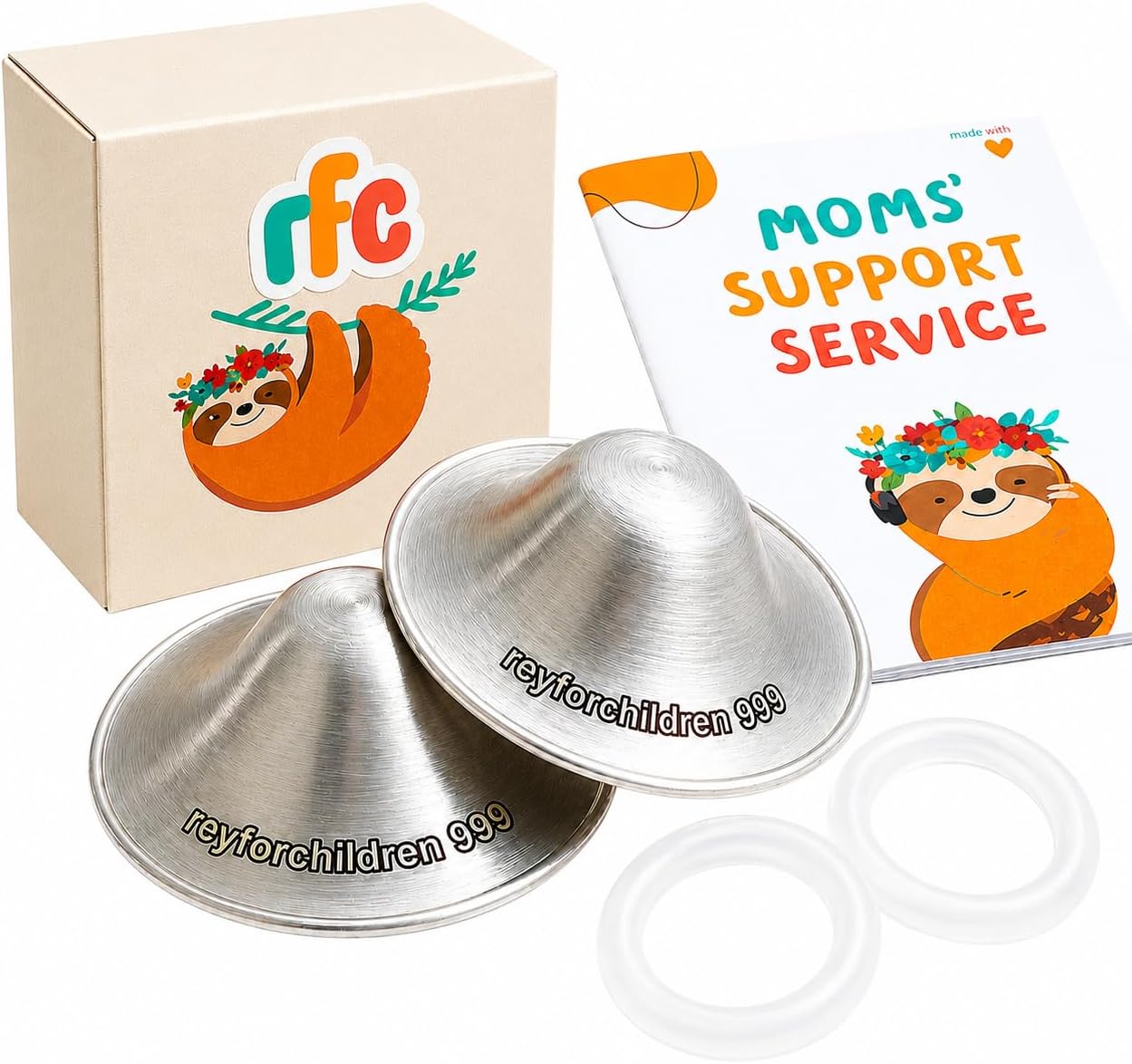
RFC Silver Nursing Cups
Knowing your nipples are not sore mid-feed means one less thing to worry about when you are already out the door.
Start small. A short trip to a quiet cafe builds confidence faster than a crowded event on your first attempt.
Wear what works. Nursing tops or a simple two-layer system, tank top under a looser shirt, tend to feel more discreet than fumbling with buttons.
Give yourself permission to leave. Knowing you can step outside or to a car if a feed does not go smoothly removes a lot of pressure in advance.
The rest is just practice, and it gets easier every single time you do it.
Handling comments or stares
Most people genuinely do not notice or do not care, but an occasional comment does happen. Having a short, calm response ready in advance, or simply choosing not to engage at all, tends to feel less jarring in the moment than trying to come up with something on the spot. You are not obligated to justify or explain a completely legal, protected activity to anyone.
Gear that actually earns its place in your bag
You do not need much, but a few things reliably make outings smoother. A two-way nursing top or dress removes the fumbling that a regular shirt or dress requires, since access is built into the design rather than improvised in the moment. A muslin blanket does double duty as a light cover, a burp cloth, or shade over a car seat, more versatile than a dedicated nursing cover for most mothers. And a small pouch with a spare nursing pad, a snack, and a diaper or two means you are not caught unprepared and rushing home mid-outing over something minor.
Where mothers often over-pack is bringing a full diaper bag's worth of gear for a thirty-minute coffee run. Scaling what you bring to the length and predictability of the outing keeps the whole process lighter, both literally and mentally.
It gets easier faster than it feels like it will
Almost every mother who has nursed in public describes the same arc: the first time feels enormous, the fifth time is routine, and by the twentieth time it barely registers as a decision at all. The anxiety tends to front-load itself entirely into the anticipation, the actual feed is almost always uneventful. If the nerves are still there after a handful of tries, that is not a sign something is wrong with you, some mothers simply need more reps than others, and that is completely normal too.
Nursing away from home: flights, road trips, and unfamiliar places
Longer outings add a few extra logistics worth planning for. On flights, you are legally permitted to breastfeed, and pre-boarding is often available if you ask at the gate, giving you time to settle before the aisle fills up. On road trips, nursing in a parked car with the seat reclined is a common, comfortable option many mothers rely on for longer drives, just as protected as anywhere else you are legally allowed to be. In an unfamiliar city, apps and directories that map nursing rooms in malls, airports, and museums can shortcut the search for a quiet spot, though remember you are not limited to using them, any public or private space you are otherwise allowed in works too, dedicated rooms are simply an option, not a requirement.
Frequently asked questions
What states require businesses to accommodate breastfeeding?
All 50 states now legally protect breastfeeding in public, so no state requires a business to specifically accommodate it beyond simply not being able to stop you from nursing where you are otherwise allowed to be.
Do I need a nursing cover to breastfeed in public?
No, using a cover is entirely a personal preference, not a legal or practical requirement, plenty of mothers nurse comfortably and discreetly without one.
Do I legally have to use a cover?
No. Nursing covers are a personal preference, not a legal requirement anywhere in the United States, you are protected to breastfeed with or without one in any location you are otherwise allowed to be.
What if a business asks me to stop or move?
In every US state, this is not something a business can legally require, since breastfeeding is protected in any public or private space you have a right to be in. You can calmly cite your state's protection or simply continue.
How do I nurse discreetly with a squirmy older baby?
As babies get older and more distractible, a light layer draped loosely, rather than fully covering, plus positioning your baby to face your body, tends to work better than trying to fully conceal a wriggling baby under a cover they may pull off anyway.
Is it harder to nurse in public with a fast let-down?
It can add a small logistical wrinkle, a nursing pad and a quick towel on hand help manage any leaking or spray at the start of a feed, but it does not change your right to nurse anywhere, and it becomes easier to anticipate with practice.
This article shares general information and real-world experience — it isn't medical advice and doesn't replace guidance from your doctor, midwife, or a certified lactation consultant. If something feels off with you or your baby, please reach out to a professional who knows your situation.