Written by The New Mom Journal Editorial Team · Updated July 20, 2026
Mom Guilt Is Almost Universal, Here's Why It Shows Up
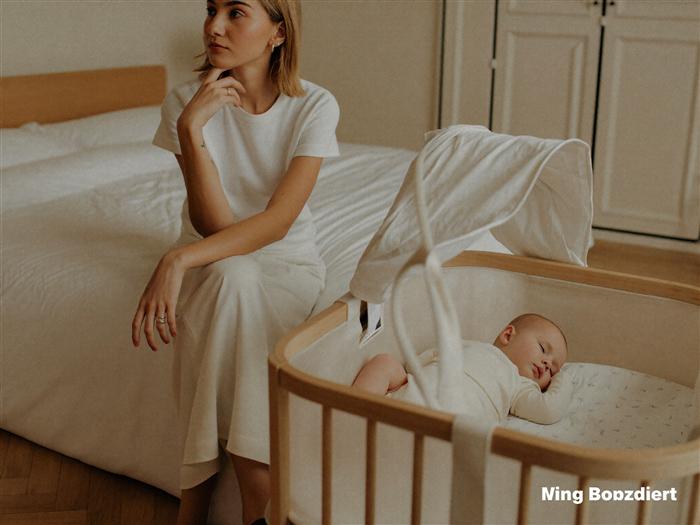
It shows up over things that were never really choices to begin with, going back to work, needing a break, a feeding method that did not go as planned, a nap you took while the laundry piled up, and it shows up almost universally. Research consistently finds that the vast majority of mothers experience some form of guilt on a weekly, if not daily, basis.
Where it actually comes from
Research on maternal guilt points to a pattern psychologists call performance-over-presence thinking, measuring yourself by how much you did rather than the quality of the time you actually gave. Common sources include time spent away from a child, feeding challenges, worries about a baby's wellbeing, and even physical complaints like exhaustion, as though needing rest were itself something to feel bad about.
The paradox researchers keep finding
Interestingly, the mothers who worry most about whether they are doing enough tend to be the ones already doing a great deal right. Guilt, in this light, is often a sign of care rather than a sign of failure, though it rarely feels that way from the inside. Social media tends to make this worse, constantly serving curated glimpses of other families that make ordinary, imperfect days feel like evidence of falling short.
Permission to make one thing easier
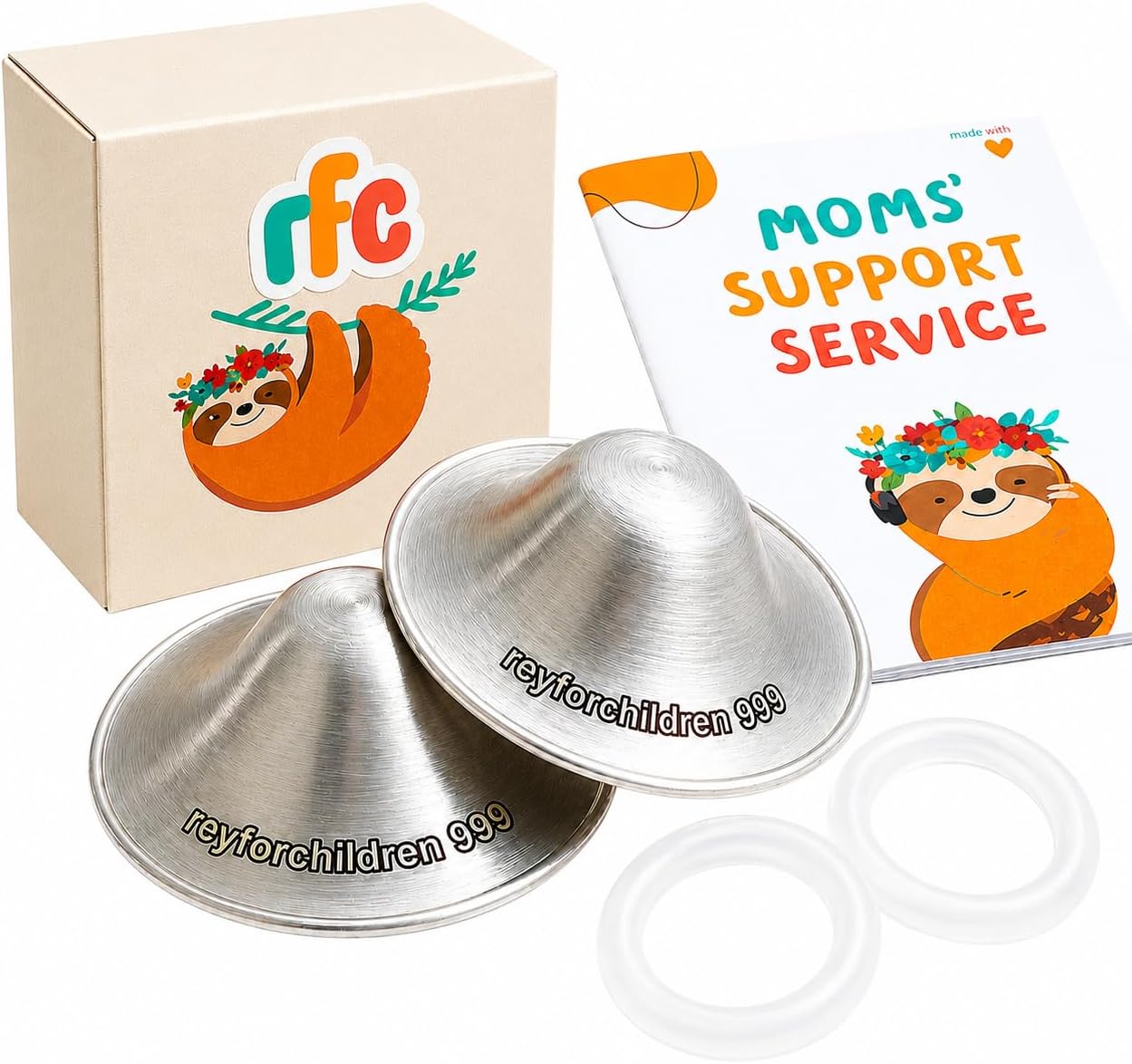
RFC Silver Nursing Cups
You do not need to earn relief. Silver nursing cups exist to make one small part of these early months a little less hard, no guilt required.
Naming the guilt out loud, to a partner, a friend, or a therapist, tends to loosen its hold more than trying to reason your way out of it alone in your head. So does actively lowering the bar for what a "good day" looks like, a fed baby and a mother who is still standing at the end of it counts as a genuine win, whatever the to-do list still says.
How guilt shows up differently depending on the decision
Guilt around returning to work often centers on time away, guilt around formula or combination feeding often centers on comparison to breastfeeding ideals, and guilt around simply resting often centers on a sense that a "good mother" should always be doing something productive. Recognizing which flavor of guilt you are experiencing can make it easier to challenge the specific unrealistic standard behind it, rather than treating it as one vague, undifferentiated feeling.
A simple way to talk back to the thought
Therapists who work with new mothers often teach a version of the same technique: when a guilty thought shows up, name it specifically, then ask whether you would judge a friend as harshly for the same thing. "I fed my baby formula today" rarely sounds like a failure when it is a friend's story rather than your own internal narration. Writing the thought down, rather than letting it loop silently, also creates just enough distance to examine whether the standard behind it is realistic or borrowed from somewhere that was never actually about your specific baby, your specific body, or your specific circumstances.
Guilt around feeding choices, specifically
Feeding decisions carry an outsized share of mom guilt, in either direction, guilt about not breastfeeding long enough, guilt about pain making nursing harder than expected, guilt about needing to combination feed or stop earlier than originally planned. It is worth separating the decision from the discomfort that sometimes drives it: choosing to protect your own physical and mental health, including addressing nipple pain rather than pushing through it silently, is not a lesser form of mothering, it is what lets feeding, in whatever form it takes, remain sustainable for both of you.
Guilt around sleep and childcare decisions
Feeding is not the only decision that triggers this pattern. Choosing to sleep train, or choosing not to, starting daycare earlier than planned, or leaning on a nanny, grandparent, or babysitter more than originally imagined all tend to carry the same undertone of "a better mother would not need this." They would not. Every one of these choices is a normal, reasonable response to a real family's actual constraints and needs, not a compromise on how much you love your child. The same reframing that helps with feeding guilt, naming the unrealistic standard out loud and asking whether you would judge a friend this harshly, works just as well here.
Frequently asked questions
Why do I feel guilty about things that are not even my fault?
Mom guilt often attaches to circumstances outside your control, like needing to work or a birth or feeding plan that changed, precisely because the underlying standards being measured against were never realistic to begin with.
Does mom guilt ever completely go away?
For many parents it softens considerably rather than vanishing entirely, becoming less frequent and less intense as confidence grows over the following months and years.
Is mom guilt different from postpartum depression?
Yes. Mom guilt is a common emotional response to perceived shortcomings, uncomfortable but not typically a clinical condition, while postpartum depression is a persistent, pervasive low mood that interferes with daily functioning and often needs professional treatment. The two can coexist, but they are not the same thing.
Do fathers or partners experience an equivalent guilt?
Some do, though research and cultural conversation around it are much less developed than for mothers, partly because societal expectations around caregiving have historically been placed more heavily on mothers.
Does guilt ever fully go away?
For many parents it softens rather than disappears entirely, showing up less often and less intensely as confidence grows and as the unrealistic standards driving it are actively challenged over time.
What is one small practical way to interrupt a guilt spiral in the moment?
Naming the specific unrealistic standard out loud, "I am comparing myself to a version of motherhood that does not actually exist," tends to create just enough distance to loosen its grip, even if only briefly.
This article shares general information and real-world experience — it isn't medical advice and doesn't replace guidance from your doctor, midwife, or a certified lactation consultant. If something feels off with you or your baby, please reach out to a professional who knows your situation.