Written by The New Mom Journal Editorial Team · Updated July 20, 2026
Low Milk Supply: What's Normal Worry and What Needs Help
Most low-supply scares are your body regulating itself, not failing you. Breasts that used to feel firm and full can start to feel softer around six to eight weeks, once your milk production has matched itself to your baby's actual needs, and that shift alone sends a lot of mothers searching the internet at 3am.
Regulation versus an actual problem
Softer breasts, a shorter or less noticeable let-down, or pumping less than you used to are usually signs of regulation, not a real drop in what your baby is getting. In the earliest weeks your body tends to overproduce as it calibrates, and the settling that follows can feel alarming even though nothing has actually gone wrong.
2-3x
a day is a normal range for milk supply to feel like it fluctuates in the first few months, without any real drop in what your baby is actually getting.
What can actually cause low supply
When supply is genuinely low, there is usually an underlying cause: infrequent removal of milk, a shallow latch, tongue tie, or certain medical or hormonal factors. The signs that point to an actual issue are fewer wet diapers than expected for your baby's age, slow or flat weight gain, or a baby who seems hungry again immediately after a full feed, day after day, not just occasionally.
If you are considering herbal supplements like fenugreek or lactation cookies, the evidence for most of them is weak, some studies find no measurable effect, and fenugreek in particular has fallen out of favor after reports of it sometimes lowering supply rather than raising it. The best-supported way to increase supply remains removing milk more often, whether at the breast or by pumping, since production genuinely does respond to demand.
One less thing to manage
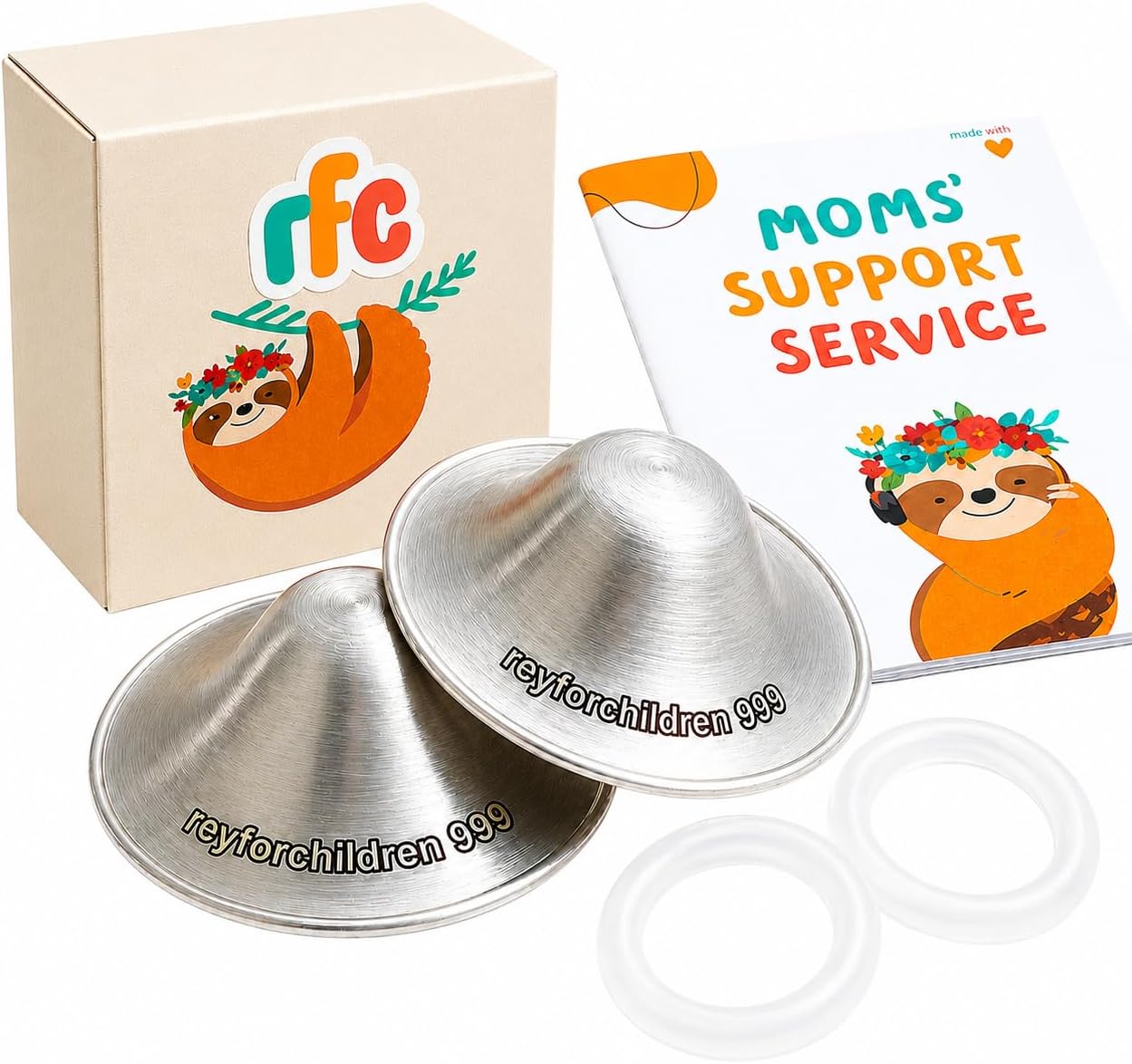
RFC Silver Nursing Cups
Sore nipples on top of supply worries make everything harder. Silver nursing cups take nipple pain off your plate so you can focus on what actually needs attention.
If the signs above are present, a lactation consultant can watch a feed, check for latch or tongue-tie issues, and help you build a plan, whether that means more frequent nursing, adjusting positioning, or adding a pumping session, before assuming supplementation is the only option. Talk to your doctor before trying any herbal supplement, since several can interact with medications or have effects that are not well studied.
Lifestyle factors that genuinely affect supply
Beyond feeding frequency, a handful of everyday factors can meaningfully influence supply: dehydration, inadequate calorie intake, certain hormonal birth control methods, smoking, and high stress can all suppress production somewhat. None of these mean a mother has "ruined" her supply, they are simply adjustable factors worth reviewing with a lactation consultant if supply concerns are persistent rather than occasional.
A supply routine you can actually sustain
The mothers who see the most consistent improvement are not the ones doing the most, they are the ones doing something small and repeatable every day. That usually looks like nursing or pumping at roughly the same handful of times daily rather than sporadically whenever there is a spare moment, adding one extra short session in the morning when supply is naturally highest, and protecting one uninterrupted stretch of sleep somewhere in each twenty-four hours, since sleep deprivation itself can blunt let-down. None of this needs to be perfect. A routine you can actually keep up for two weeks beats an intensive plan you abandon after three days.
Hydration and calories matter more than any specific food. Aim to drink to thirst rather than forcing large volumes of water, and make sure you are eating enough overall, chronic under-eating in the postpartum period is a more common and more fixable cause of low supply than most mothers realize, especially while also recovering from birth and running on broken sleep.
What actually moves the needle versus what is mostly folklore
Skin-to-skin time before a feed, warm compresses just before nursing or pumping, and breast massage during a session all have some supporting evidence for helping with let-down and drainage, and they cost nothing to try. Oatmeal, brewer's yeast, and dark leafy greens are commonly recommended, and while the research behind them as galactagogues is thin, they are otherwise a normal part of a healthy postpartum diet, so there is little downside to including them. Where mothers most often get misled is on products promising a guaranteed supply increase with no real evidence behind them, if a claim sounds too dramatic for something you drink or eat, it is worth being skeptical rather than spending scarce energy chasing it.
Getting a lactation consultant and pump covered by insurance
Under the Affordable Care Act, most US health insurance plans are required to cover lactation counseling and a breast pump at no additional cost, though the specific process, in-network providers, pump brand options, and reimbursement versus direct supply, varies by insurer. Calling your insurance provider directly and asking specifically about "lactation consultant coverage" and "breast pump benefit" tends to get a clearer answer than searching your plan documents alone. If your plan pushes back on covering additional lactation visits beyond a first session, a note from your pediatrician documenting ongoing feeding concerns can sometimes unlock further covered visits, this is worth pursuing before paying out of pocket if cost is part of what is keeping you from getting help sooner.
Frequently asked questions
How quickly can low milk supply be fixed?
Many mothers see improvement within three to five days of increasing feeding or pumping frequency, though a full response can take up to two weeks of consistent effort.
Does pumping after every feed help increase supply?
It can, since it adds extra removal on top of nursing, but it also adds real fatigue, most lactation consultants suggest targeted sessions like power pumping over pumping after every single feed indefinitely.
Do lactation cookies or teas actually work?
The evidence is weak. Recent studies on lactation cookies specifically found no measurable increase in milk production, and while some mothers report feeling like certain foods or teas help, there is no reliable research showing consistent results across a broader population.
Is fenugreek safe to try?
Talk to your doctor before starting it. Fenugreek has fallen out of favor with some lactation professionals after reports that it can sometimes decrease supply rather than increase it, and it can interact with certain medications.
Can stress alone lower my supply?
High, sustained stress can interfere with the let-down reflex and, over time, with overall production, largely through its effect on the hormones involved in milk release. This is one more reason that support in the early weeks is not a luxury, it has a real physiological effect on breastfeeding itself.
If I supplement with formula once, will my supply drop permanently?
An occasional bottle is unlikely to meaningfully affect long-term supply, particularly if you continue nursing or pumping regularly otherwise. Supply is most sensitive to sustained changes in how often milk is removed over days and weeks, not a single missed session.
This article shares general information and real-world experience — it isn't medical advice and doesn't replace guidance from your doctor, midwife, or a certified lactation consultant. If something feels off with you or your baby, please reach out to a professional who knows your situation.