Written by The New Mom Journal Editorial Team · Updated July 20, 2026
Hospital Bag Checklist for Breastfeeding Moms
Most hospital bag checklists are written for the birth itself, and forget that the days right after are when a breastfeeding mother needs the most support. By the time you are packing, most of your attention has gone to what happens in the delivery room, not the three days you will actually spend recovering afterward.
What most lists forget
Pack for the version of you that will be sore, tired, and learning to nurse for the first time, not just the version giving birth: a nursing-friendly robe or gown that opens easily, snacks that do not need a fridge or microwave, and something for sore nipples before you even know you will need it, since the soreness tends to arrive faster than most people expect.
Pack it before you need it
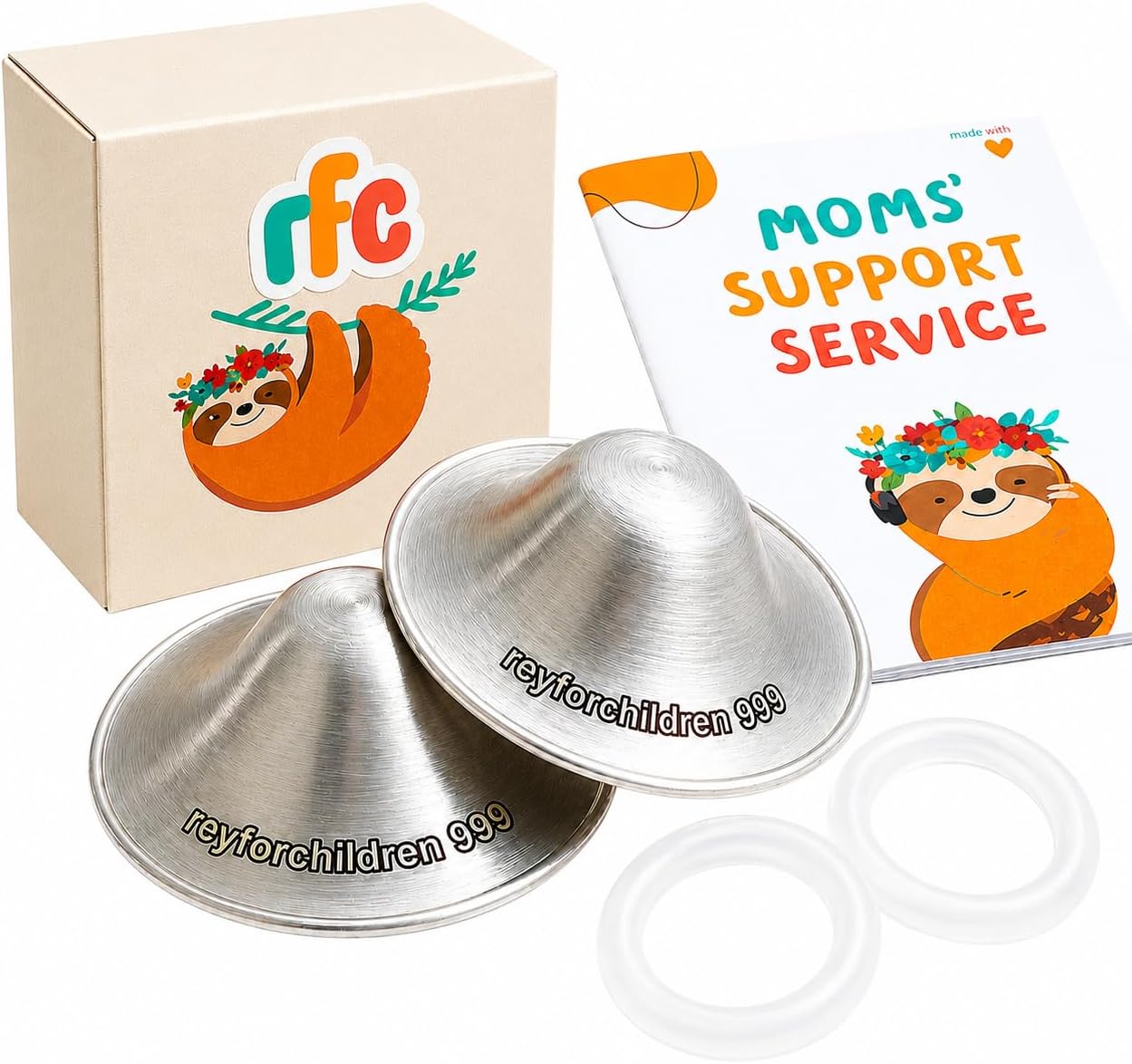
RFC Silver Nursing Cups
Silver nursing cups are small enough to slip into a hospital bag and start using from the very first sore latch, no prescription or pharmacy run required.
A phone charger with a long cord, since outlets are rarely near the bed, your own pillow in a distinct pillowcase so it does not get lost in hospital linens, and going-home clothes one size larger than pre-pregnancy round out the list of things people forget until they are already there wishing they had packed them. A few hair ties, lip balm, and a change of clothes for a partner also tend to get left off first-time lists.
What you can safely leave at home
The hospital will supply basic diapers, wipes, and pads for the first days, so there is no need to bring your own supply of those. Overpacking for the baby is one of the most common first-time mistakes, when the real gap is almost always in what you packed for yourself. A going-home outfit and one blanket for the baby is genuinely enough.
Packing for a possible c-section too
Even with a planned vaginal delivery, it is worth packing as though a c-section is possible, since a meaningful share of births end up surgical unexpectedly. That means high-waisted, soft postpartum underwear that will not sit on an incision, and loose, easy-open tops that do not require lifting your arms overhead in the days right after surgery.
A three-bag way to organize it
Splitting the packing into three smaller bags rather than one giant suitcase makes the actual hospital stay easier to navigate. A labor bag holds what you need during delivery itself: a robe, hair ties, a birth plan copy, a phone charger with a long cord. A postpartum bag, the one that matters most for the days after, holds nursing-friendly tops, high-waisted underwear, your own pillow, snacks, and nipple care ready from the first sore feed. A going-home bag holds one outfit for you, one for the baby, and the car seat instructions, kept separate so you are not digging through the whole suitcase on discharge day. Many mothers pack the postpartum bag last and end up wishing they had packed it first, since it is the one that gets used the most and the longest.
Items postpartum recovery checklists commonly leave out
Beyond feeding supplies, a handful of recovery items get left off far too often: a peri bottle for the first days of using the bathroom comfortably, which some hospitals provide but not all, your own pair of loose, non-slip socks since hospital-issued ones can be thin, a small pack of your preferred pain relief if you have a specific brand preference beyond what is offered, and lip balm and a hair tie, small but genuinely missed during long hours in a delivery room. None of these are dramatic additions, but each one is the kind of thing that is mildly annoying to be without at 2am and easy to toss in a bag in advance.
Packing for twins or a multiples birth
Everything above still applies, doubled logistics call for a few adjustments. Pack two of anything baby-specific, going-home outfits, blankets, hats, since hospitals typically do not supply duplicate sets. Bring extra nursing pads and consider packing supplies for both breast and bottle feeding even if you plan to primarily nurse, since establishing feeding with two babies at once is more physically demanding and some families find a combination approach more sustainable, at least at first. A second phone charger and, if possible, a second support person's contact info on hand for extra hands during simultaneous feeds or diaper changes also tends to matter more with multiples than with a single baby.
Frequently asked questions
When should I pack my hospital bag?
Most care providers suggest having it ready by 36 weeks, since labor can start earlier than your due date.
What should I NOT pack in my hospital bag?
Large supplies of diapers, wipes, or formula are unnecessary, since hospitals provide these during your stay, save the suitcase space for your own comfort items instead.
Do I need to bring my own pillow really?
It is optional but genuinely appreciated by many mothers, hospital pillows are often thin and firm, and your own pillow, especially one used for side-lying nursing at home, can make early feeds noticeably more comfortable. Use a distinct pillowcase so it does not get mixed up with hospital linens.
What should my partner or support person pack?
A change of clothes, snacks, a phone charger, and something to pass the time during a potentially long labor are the basics most people forget until they are already there. Comfortable shoes matter too, since hospital stays involve more walking than people expect.
Should I bring my own nipple cream or care items?
Yes. Hospitals typically stock the basics but not necessarily the specific products you have researched or prefer, and having your own on hand from the very first sore latch avoids a delay in addressing it.
How early should the bag actually be packed?
Most care providers suggest having it ready by 36 weeks, since labor can begin earlier than the due date and a rushed, last-minute pack tends to leave out exactly the small comfort items that matter most in the moment.
This article shares general information and real-world experience — it isn't medical advice and doesn't replace guidance from your doctor, midwife, or a certified lactation consultant. If something feels off with you or your baby, please reach out to a professional who knows your situation.