Written by The New Mom Journal Editorial Team · Updated July 20, 2026
Feeding Schedules for Newborns: What to Expect Week by Week
A rough map is more useful than a rigid newborn feeding schedule for a stage of life that rarely follows one. Feeding patterns shift almost weekly in the first months, and expecting a fixed baby feeding schedule too early usually just adds pressure without changing your baby's actual readiness.
A loose week-by-week guide
In the first two weeks, expect eight to twelve feeds a day, often clustered rather than evenly spaced, roughly every two to three hours around the clock. By four to six weeks, spacing tends to stretch slightly toward every three hours, though growth spurts around two to three weeks and again around six weeks can briefly reverse that and bring feeds closer together for a few days.
8-12
feeds per day is typical in the newborn stage, gradually spacing out as your baby grows and stomach capacity increases.
Two to three months and beyond
By around two to three months, many babies settle into feeding every three to four hours, five to six times a day, and some begin sleeping longer stretches at night, which naturally shifts more of their feeding into the daytime hours. Another growth spurt commonly appears right around the three-month mark too, briefly increasing hunger and frequency again before settling back down.
"Predictable" for a newborn still means flexible by adult standards, a baby who normally feeds every three hours might occasionally want to feed after ninety minutes, and that alone is not a sign anything is wrong.
Consistency for the skin, not just the schedule
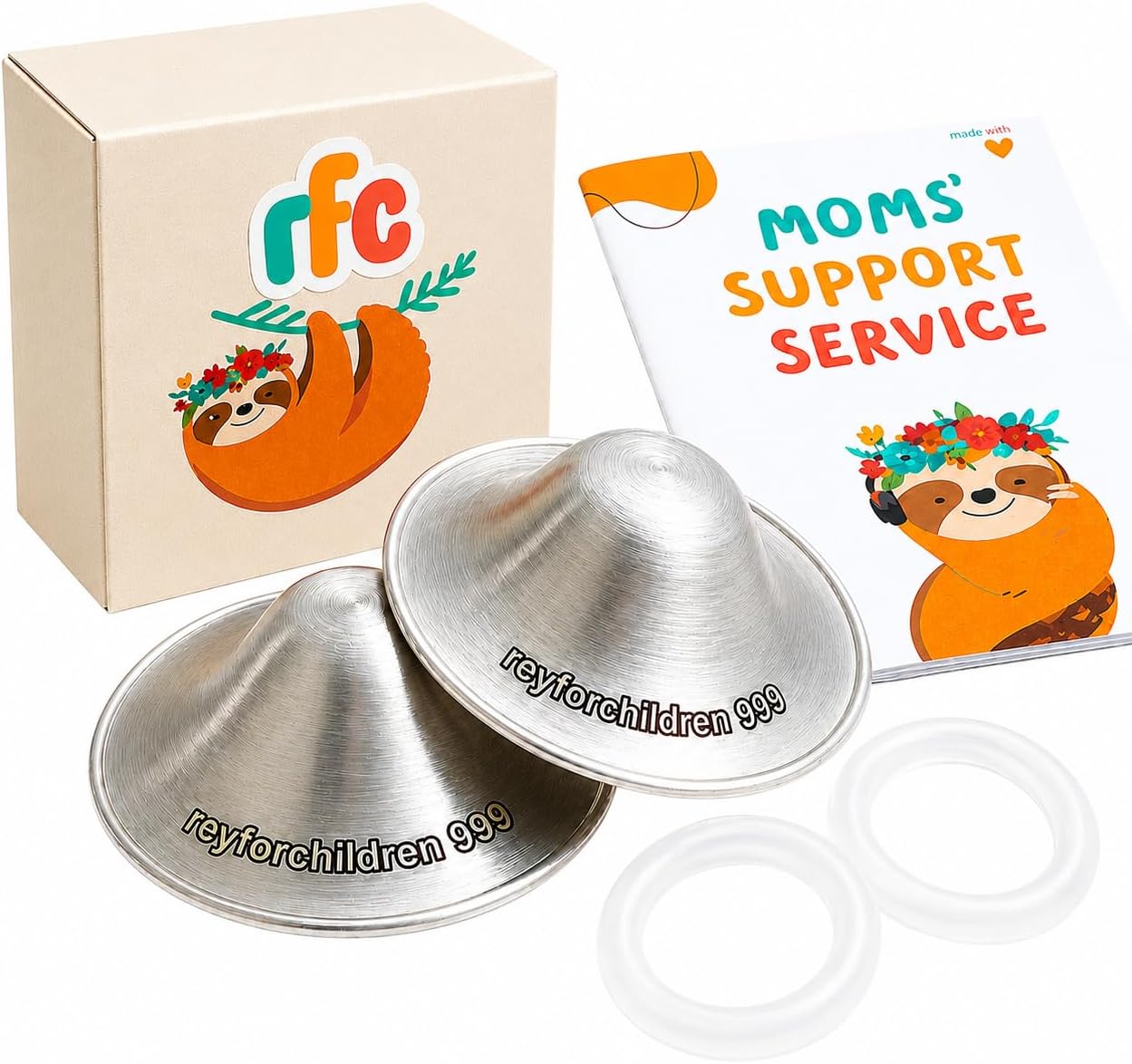
RFC Silver Nursing Cups
Whatever the feeding rhythm looks like this week, silver nursing cups give sore nipples the same protection between every session.
Following your baby's cues rather than the clock, especially in the first six weeks, tends to work better than forcing a schedule your baby is not developmentally ready for yet. Watching for hunger cues, rooting, hands to mouth, increased alertness, rather than waiting for a specific number of hours to pass, is a more reliable guide during this stage than any printed chart, including this one.
Signs a growth spurt is behind a sudden schedule shift
Increased hunger is the most consistent early sign, your baby wants to feed more often, seems unsatisfied after a normally sufficient feed, or wakes earlier than usual. Fussiness, more clinginess, and temporary sleep changes, either more or less than usual, often accompany it. These episodes typically last just a few days, occasionally up to a week, before settling back into the prior rhythm.
A loose structure that works better than a strict schedule
Many pediatric sleep and feeding consultants suggest an eat-play-sleep pattern rather than a fixed clock: feed your baby on waking, follow with some awake time appropriate to their age, then let them sleep, rather than feeding right before sleep every time. This loose structure helps avoid your baby associating feeding with falling asleep as the only way to settle, which can matter later for sleep, while still following hunger cues rather than a strict timer within each cycle. It is a rhythm, not a rulebook, and it bends easily around cluster feeding, growth spurts, and the inevitable days that do not go according to any plan.
Tracking feeds without turning it into a second job
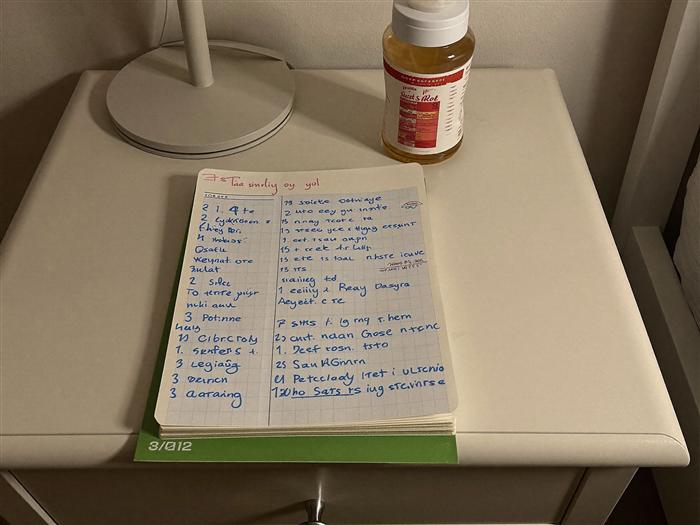
A simple log, time, side or amount, and roughly how long, kept for the first few weeks helps you spot your baby's actual pattern faster than trying to remember it, especially useful information to bring to a pediatrician if feeding questions come up. Once a rhythm feels established, usually by four to six weeks, most families find they no longer need to track closely and can go by feel instead. If logging every feed starts to feel like more stress than help, that is a sign to loosen up, not a sign you are failing to stay organized enough.
Coordinating a schedule with daycare or another caregiver
Once someone else is feeding your baby some of the time, whether daycare, a nanny, or a family member, sharing your baby's rough rhythm in writing, typical feed times, amount if bottle-fed, cues to watch for, saves a lot of back-and-forth guessing on both ends. Most daycares track feeds themselves and will share their own log with you, which is worth comparing against what you see at home for a fuller picture, since a baby's rhythm at daycare with more stimulation around them can differ slightly from a quiet day at home. Expect the schedule to need small adjustments during the first week or two of a new caregiving arrangement while your baby adapts to a different environment, rather than assuming the home routine will transfer over perfectly on day one.
Frequently asked questions
How often should a newborn eat in the first month?
Roughly every two to three hours, or eight to twelve times in 24 hours, though clustering and irregular gaps are completely normal.
When do babies start going longer between feeds?
Many babies begin stretching feeding intervals slightly around four to six weeks, with more noticeable spacing by two to three months.
Should I wake my newborn to feed on a schedule?
In the first few weeks, most pediatricians recommend waking a baby who has gone longer than about four hours without feeding, particularly if weight gain is still being established, but check with your own pediatrician for guidance specific to your baby.
When do most babies start dropping night feeds?
This varies widely, but many babies begin consolidating sleep and dropping at least one overnight feed somewhere between two and four months, once they are gaining weight well and have more stomach capacity to go longer between feeds.
Is it a problem if my baby's schedule looks nothing like the charts?
Not inherently. These guides describe common patterns, not requirements, and plenty of thriving babies feed on a rhythm that looks quite different from any published chart, particularly in the first two months.
Does bottle feeding lead to a more predictable schedule than nursing?
Sometimes, since bottle volumes are visible and more consistent by nature, but many bottle-fed babies still feed somewhat irregularly in the newborn stage, since appetite and stomach capacity are still developing regardless of feeding method.
This article shares general information and real-world experience — it isn't medical advice and doesn't replace guidance from your doctor, midwife, or a certified lactation consultant. If something feels off with you or your baby, please reach out to a professional who knows your situation.