Breastfeeding & Nursing · May 8, 2026 · 6 min read
Written by The New Mom Journal Editorial Team · Updated July 20, 2026
Cluster Feeding: Why Your Baby Won't Stop Eating (and What to Do)
Wanting to eat every 45 minutes for an entire evening is not a sign your milk is not enough. It is one of the most normal, and most exhausting, things a newborn does, and it tends to arrive with almost no warning right when you thought you understood your baby's rhythm.
Cluster feeding usually shows up around two to three weeks, and again around growth spurts, when babies nurse in tight, frequent bursts, often right when you were hoping for a break, most commonly in the evening hours.
Why it happens
Frequent nursing is your baby's way of telling your body to make more milk, and it works. Supply is regulated by demand: the more often milk is removed, the more your body is signaled to produce, and a few days of near-constant feeding is usually followed by your body catching up to the new demand. Growth spurts most commonly land around two to three weeks, six weeks, three months, and six months, and typically last just a few days, occasionally up to a week, before your baby settles back into a more familiar rhythm.
Cluster feeding evenings are easier with a second set of hands nearby.
What actually helps you get through it
What helps most is not fixing the cluster feeding, it is surviving it. Food and water within arm's reach before you sit down to nurse, a phone charger nearby, and permission to let everything else wait until tomorrow all make a real difference. A supportive chair or nursing pillow reduces the physical toll of long stretches in one position, and swapping who holds the baby during the calmer parts of the evening, if you have a partner or support person, can buy you a few minutes to reset.
It also helps simply to know the shape of what is happening: your baby is not overeating, misbehaving, or signaling a problem. They are doing exactly what a growing body is supposed to do, and the intensity itself is a sign the system is working as designed.
Built for the marathon days
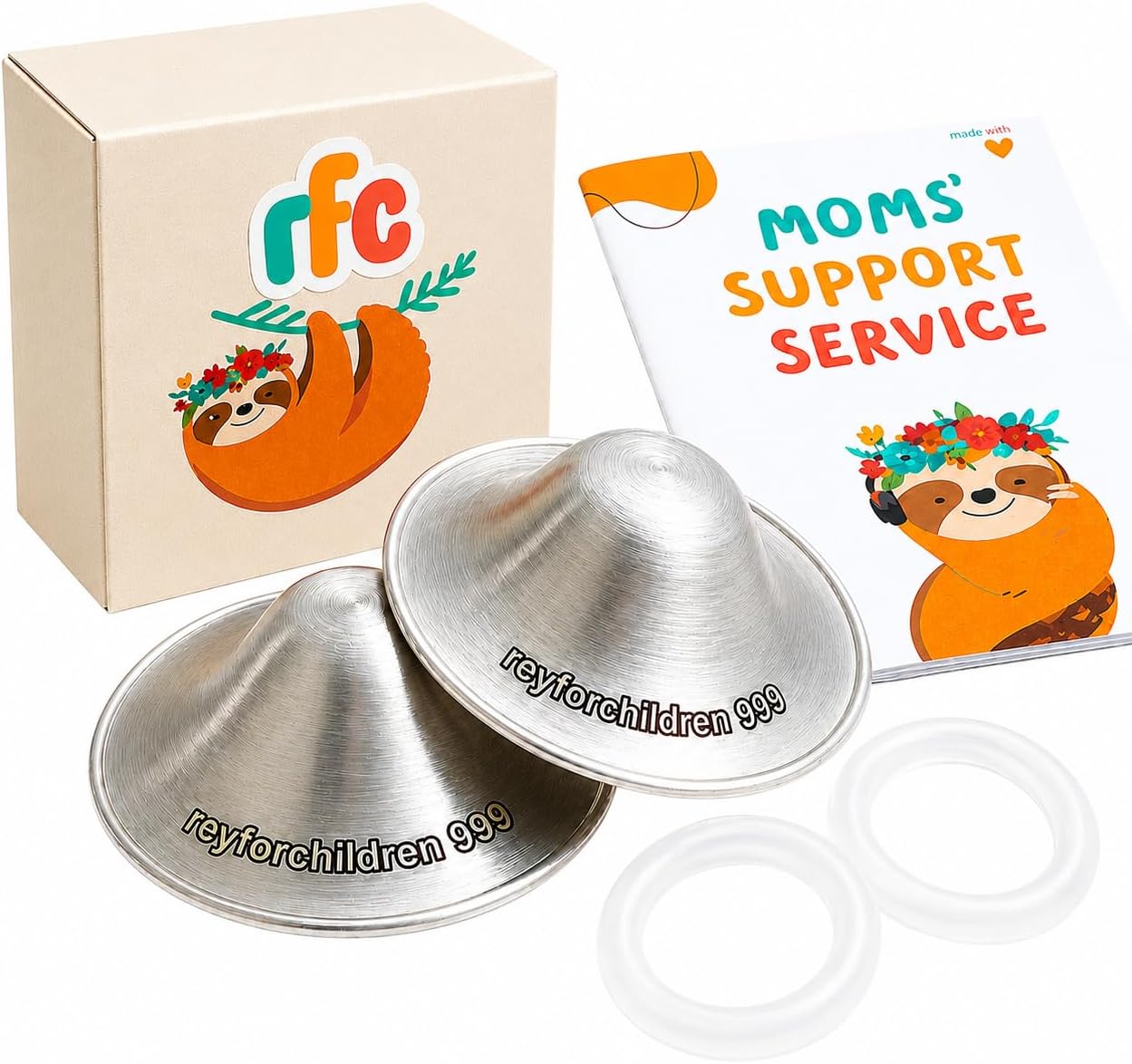
RFC Silver Nursing Cups
On days when your baby barely comes off, your nipples do a lot of extra work. Silver cups worn between bursts help skin recover, even on the longest cluster-feeding evenings.
It almost always passes within a few days. If it stretches on for over a week with no let-up, your baby seems distressed rather than simply hungry, or you notice a drop in wet diapers alongside the constant feeding, mention it to your pediatrician so they can rule out anything beyond a normal growth spurt.
Watching for clogged ducts during marathon stretches
Long stretches of intense feeding on one side, or a sudden change in feeding pattern, can occasionally lead to a clogged duct, felt as a firm, sore, sometimes reddened lump in the breast, occasionally with a mild low-grade fever. Breastfeeding often, especially on the affected side, along with warm compresses before feeds and gentle massage toward the nipple during nursing, tends to clear a clog within a day or two. If warmth, redness, and fever intensify rather than ease, that can signal mastitis, which sometimes needs antibiotics, so it is worth calling your doctor rather than waiting it out.
Cluster feeding versus colic: how to tell the difference
The two get confused constantly because both can mean a fussy baby who wants your attention non-stop in the evening. The distinction is in what actually calms them. A cluster-feeding baby settles at the breast, feeds with a real suck-swallow rhythm, and eventually falls into a satisfied, loose-limbed sleep. A colicky baby often pulls away from the breast, arches their back, clenches their fists, and keeps crying even after a full feed, sometimes for hours at a stretch, typically starting around two to three weeks and peaking around six weeks. If feeding does not settle your baby at all and the crying follows a rigid daily pattern regardless of when they last ate, that pattern is worth describing to your pediatrician specifically, since it points toward colic rather than a feeding issue.
Getting through a cluster-feeding evening with other kids in the house
If you have an older child, cluster-feeding evenings are often when the guilt hits hardest, you are physically stuck on the couch just as everyone else needs dinner, baths, and bedtime. A few things genuinely help: set up a "nursing station" with snacks, screen time, or a favorite activity for your older child within sight of where you will be feeding, so you are still present even while stationary. Batch or delivery meals on days you suspect a growth spurt is coming, since cluster feeding tends to arrive in predictable windows once you have been through it once. And where possible, let a partner or support person handle the bedtime routine entirely on the hardest evenings, your job that night is feeding the baby, not everything else too.
Taking care of yourself through the marathon stretch
It is easy to disappear entirely into a baby's needs during a cluster-feeding evening and forget your own basic upkeep in the process. Keeping a refillable water bottle and easy, one-handed snacks within reach of your usual nursing spot means you are not choosing between your own hydration and staying seated through a long stretch. A short, five-minute reset after an intense evening, stepping outside, a hot shower once someone else can hold the baby, texting a friend, matters more for how sustainable the next cluster-feeding evening feels than it might seem in the moment. None of this needs to be elaborate self-care, just enough to keep your own tank from running fully empty on the hardest days.
Frequently asked questions
How long does cluster feeding usually last each time?
A single cluster-feeding stretch typically lasts a few hours in the evening, while the overall phase around a growth spurt usually resolves within three to seven days.
Does cluster feeding mean my baby is going through a growth spurt?
Often yes, especially around the two to three week, six week, and three month marks, though babies can also cluster feed on other days simply because they want extra comfort or closeness.
Should I offer both breasts during a single cluster feeding session?
Either approach is fine. Some mothers switch sides multiple times during a long cluster stretch, others let their baby fully finish one side before offering the other. Following your baby's cues, coming off on their own versus actively still sucking and swallowing, is a better guide than a fixed rule.
Is it safe to nurse lying down during an exhausting cluster-feeding night?
Side-lying nursing can be done safely if you are not under the influence of anything that impairs alertness and you follow safe sleep guidance for the space around your baby. Many mothers find it makes marathon nights meaningfully more sustainable.
Can cluster feeding cause my supply to actually increase permanently?
Yes, that is essentially the mechanism, more frequent removal signals your body to raise its baseline production, which is exactly why cluster feeding tends to cluster around growth spurts when a baby's needs have genuinely gone up.
How is cluster feeding different from a baby who just will not settle?
Cluster feeding involves active, effective nursing in short, frequent bursts, with audible swallowing and eventual satisfaction between sessions. A baby who will not settle despite repeated feeding attempts, especially with signs of pain or reflux, may be dealing with something other than a normal growth spurt and is worth mentioning to your pediatrician.
This article shares general information and real-world experience — it isn't medical advice and doesn't replace guidance from your doctor, midwife, or a certified lactation consultant. If something feels off with you or your baby, please reach out to a professional who knows your situation.