
Roughly one in three births in the United States happens by C-section, and yet most pregnancy planning still treats it as a footnote, a line in the hospital bag checklist about packing high-waisted underwear "just in case." If you know you are having a planned C-section, or you simply want to be prepared, here is what the recovery actually tends to look like, week by week, rather than the vague "it takes about six weeks" most people hear.
Days 0–3: still in the hospital
The first 24 hours are about basic functions coming back online. Most hospitals encourage you to sit up and take a first short walk within about 12 to 24 hours of surgery, even though it feels far too soon, since early movement measurably lowers the risk of blood clots and helps digestion restart. A catheter is typically removed within the first day once you can get up on your own. Pain is managed with a combination of medications, and the incision is checked daily by hospital staff. Most vaginal deliveries lead to discharge within 24 to 48 hours, C-section recovery in the hospital usually runs 2 to 4 days.
Week 1 at home: the hardest stretch
This is typically the most physically demanding week. The incision is still healing, movements like standing up from a chair, laughing, or coughing can pull uncomfortably, and most people are advised not to lift anything heavier than their baby, climb stairs more than once or twice a day if avoidable, or drive until cleared by their doctor. Pain medication on a schedule, not just when pain spikes, tends to keep you more comfortable than waiting until it is bad. Support around the house for meals, laundry, and anything involving lifting or bending genuinely changes how this week feels.
Week 2: pain eases, strange sensations begin
By the second week, sharp pain usually gives way to a duller soreness, and many people can move more freely, though bending, twisting, and any core engagement still needs care. It is common and normal for the area around the incision to feel numb, tingly, or oddly sensitive as nerves that were cut during surgery begin to regenerate, a sensation that can continue, gradually fading, for months. This is also, physically and emotionally, one of the harder weeks of the whole postpartum period generally, hormone levels are dropping sharply from their pregnancy peak at the same time your body is still healing from major surgery.
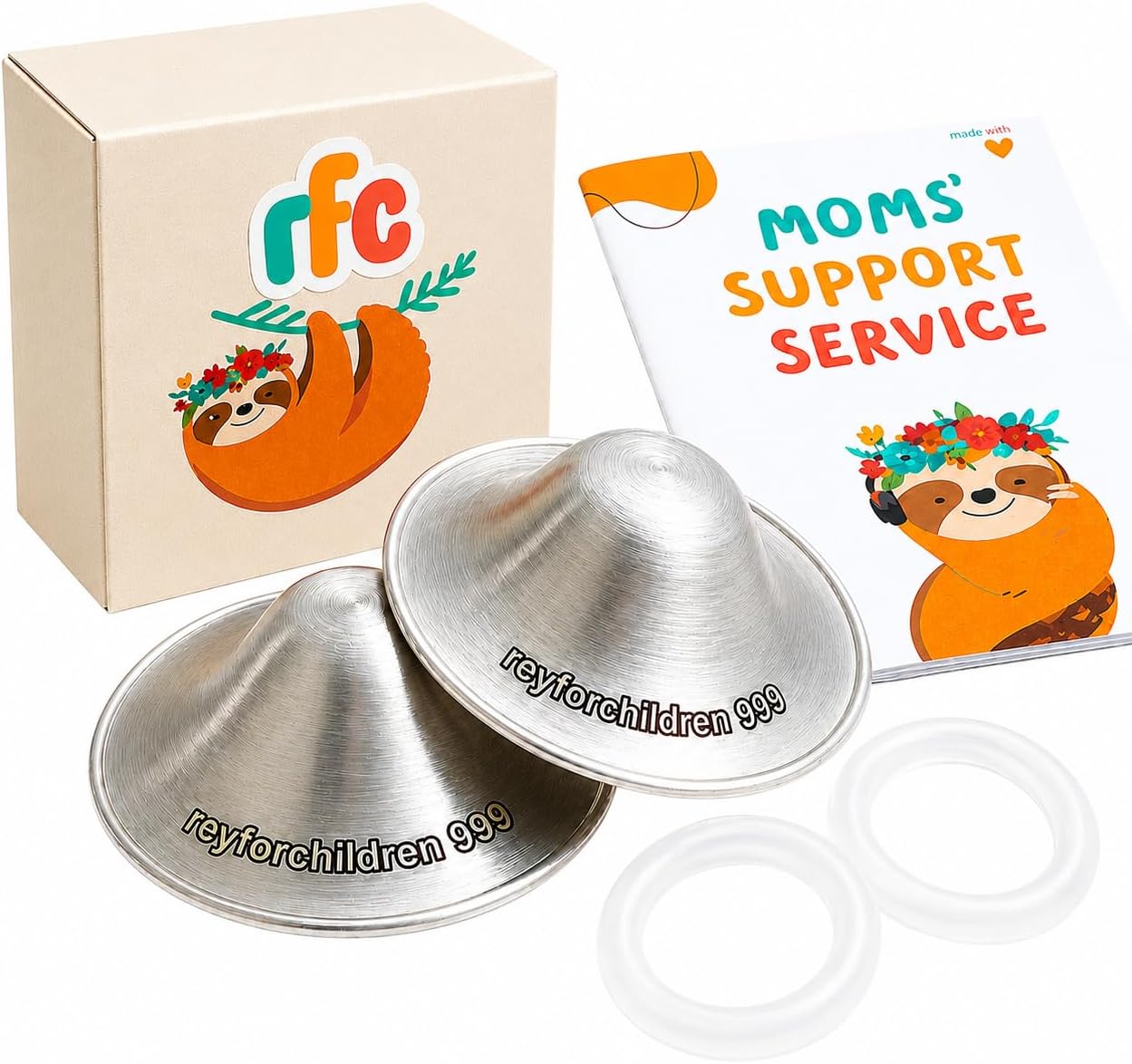
Nursing while your incision heals
RFC Silver Nursing Cups
A football hold or side-lying position keeps your baby's weight off your incision while nursing. If sore nipples pile on top of surgical recovery, silver cups worn between feeds give skin a break without a cream to wipe off first.
View on AmazonWeeks 3–4: real mobility returns
Most people notice a genuine shift here, walking longer distances, standing at the counter to cook, or holding the baby for a full feeding session without needing to sit down partway through. Driving is commonly cleared around the two-week mark by many providers, though this varies and should be confirmed at a follow-up rather than assumed, since it depends on how quickly you can comfortably and safely perform an emergency stop. Light household tasks tend to feel manageable, but heavier lifting and any core-focused exercise are still generally off the table until your six-week check.
Weeks 5–6: the postpartum checkup
The six-week visit is typically when a doctor examines the incision, confirms internal healing, and formally clears most restrictions, driving if not already cleared, exercise, and intercourse among them. The external incision is usually well healed by this point, though the scar itself will continue to soften and fade in color for months afterward. Many people describe this appointment as a real psychological milestone, official confirmation that the acute recovery phase is over, even though full-strength core function and energy levels often keep improving well past six weeks.
Red flags at any stage
Certain symptoms warrant a same-day call to your doctor regardless of how many weeks out you are: a fever of 100.4°F (38°C) or higher, increasing redness, warmth, or discharge from the incision, a wound that is opening rather than closing, pain that is getting worse instead of better, heavy bleeding that soaks a pad in under an hour, or swelling and pain in one calf, which can signal a blood clot and should be treated as urgent. Trust a sense that something is wrong over a timeline that says you should be further along by now, recovery pace genuinely varies and a same-day call costs you little if it turns out to be nothing.
Practical things that actually help
- Hold a pillow over your incision when coughing, sneezing, or laughing, the counter-pressure meaningfully reduces the sharp pull those movements otherwise cause.
- Stay ahead of stool softeners if prescribed or recommended, since straining is genuinely uncomfortable on a fresh abdominal incision, and constipation is common after surgery and pain medication both.
- Wear loose, high-waisted clothing that sits above or well below the incision line rather than directly on it.
- Line up help before you need it, meals, older-child care, household tasks, rather than trying to arrange support reactively once you are already overwhelmed in week one.
- Move a little, often, rather than pushing through a long walk and then crashing. Several short walks a day tend to aid healing more than one ambitious one.
How this differs from vaginal birth recovery
Vaginal birth recovery centers on perineal healing and typically allows for a faster return to normal movement, while C-section recovery is abdominal surgery recovery layered on top of the same postpartum hormonal and physical changes every new mother goes through. That means the lifting restrictions, the slower return to core strength, and the incision care are additional, not instead of, the fatigue, bleeding, and emotional adjustment that follow any birth. It is common to feel frustrated comparing your own timeline to a friend's vaginal delivery recovery, but the two are genuinely not the same process.
Frequently asked questions
How long does a C-section incision take to fully heal?
The external incision is usually well closed within 6 weeks, but the deeper tissue layers continue strengthening for several months, and the scar itself keeps softening and fading in color for up to a year or more.
When can I drive after a C-section?
Many providers clear driving around two weeks, but this depends on how comfortably and quickly you can perform a sudden stop or turn, and off pain medication that impairs reaction time. Confirm at a follow-up rather than assuming based on a general timeline.
Is numbness around the scar normal?
Yes. Nerves cut during surgery take time to regenerate, and numbness, tingling, or odd sensitivity around the incision is common and can persist, gradually improving, for several months to a year.
When can I lift my other child after a C-section?
Most doctors advise against lifting anything heavier than your newborn for the first two weeks, and to reintroduce heavier lifting gradually after your six-week checkup rather than all at once. Sitting to hold or read with an older child, rather than lifting them, is a common workaround in the meantime.
Is C-section recovery harder than vaginal birth recovery?
They are different rather than directly comparable. C-section recovery adds abdominal surgery healing and lifting restrictions on top of the same postpartum changes every new mother experiences, while vaginal recovery centers on perineal healing and generally allows faster early mobility.
What incision symptoms mean I should call my doctor right away?
A fever of 100.4°F or higher, spreading redness or warmth, discharge or a wound reopening, worsening rather than improving pain, or calf swelling and pain are all reasons for a same-day call rather than waiting to see if it resolves.


