Breastfeeding & Nursing · Mar 13, 2026 · 6 min read
Written by The New Mom Journal Editorial Team · Updated July 20, 2026
Bottle, Breast, or Both: There's No Wrong Way to Feed Your Baby
However your baby eats, the goal was always the same: a fed, held, loved baby. Somewhere along the way, feeding method turned into a referendum on how much you love your child, and that was never a fair trade.
What actually matters for a baby's development
Whether it is exclusively at the breast, exclusively bottle, or some combination that shifts week to week, babies thrive on consistency, warmth, and responsiveness during feeds, not on the specific delivery method. Combination feeding, mixing breastfeeding with pumped milk or formula, is in fact the most common way American parents feed their babies, with CDC data putting some formula use by six months at around three quarters of families.
1 in 2
breastfeeding mothers in the US introduce some bottle feeding, whether pumped milk or formula, within the first few months.
Protecting supply if you are combining methods
If you are adding formula or bottles alongside nursing, the first four to six weeks are the most important window for establishing supply, so introducing supplementation earlier than that can affect how much milk your body makes long-term. Offering the breast first, then topping off with a bottle if needed, keeps stimulation up while still making sure your baby is satisfied. Swapping one nursing session at a time, rather than several at once, and waiting three to five days before dropping the next, gives your body room to adjust without engorgement or a supply crash.
For however you're feeding right now
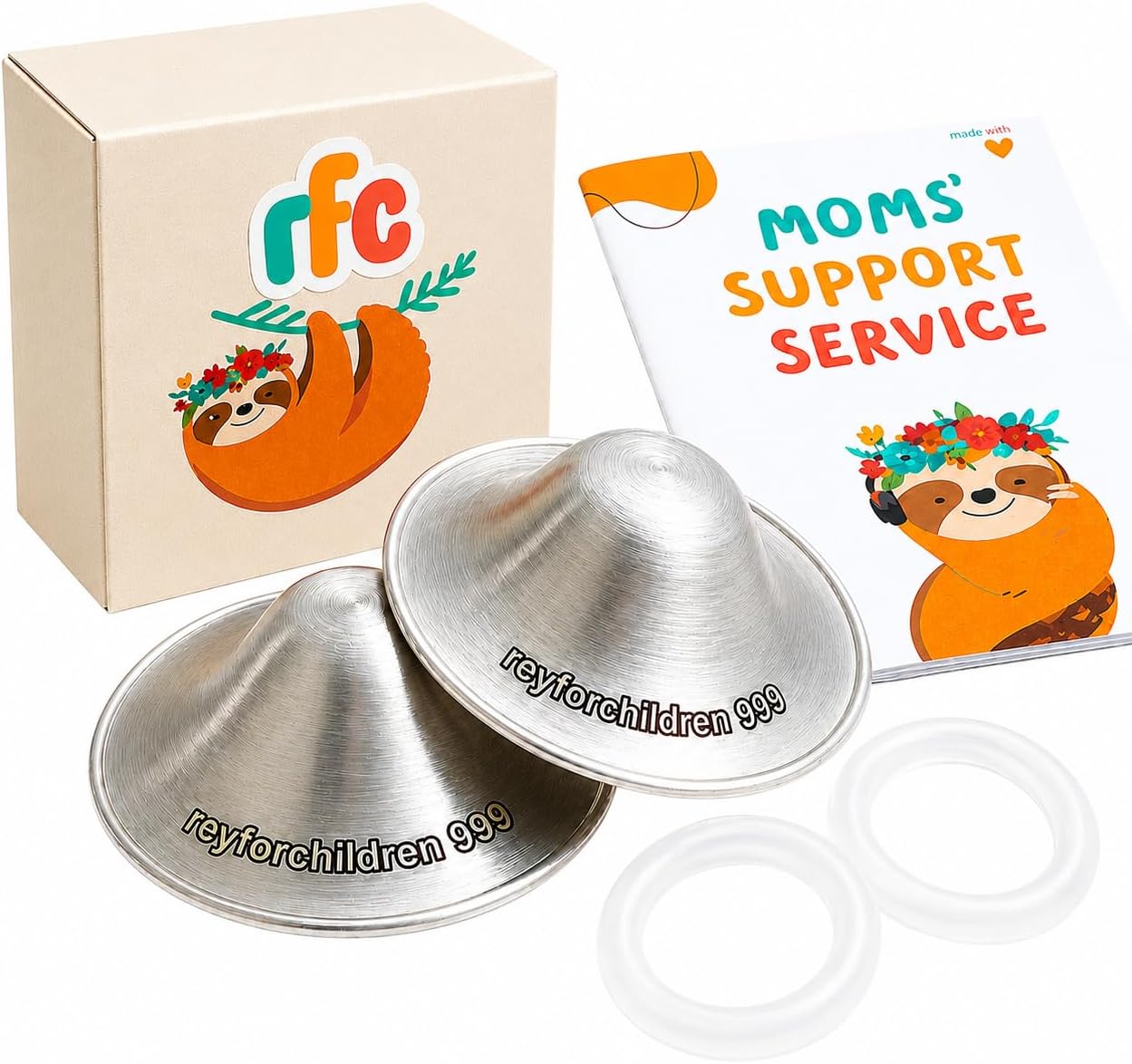
RFC Silver Nursing Cups
For the sessions still spent at the breast, silver nursing cups help sore skin heal between feeds, whatever your overall feeding plan looks like.
Combination feeding in particular gets unfairly judged from both directions, breastfeeding purists and formula advocates alike, when in practice it is often the exact adjustment that keeps a feeding relationship sustainable for months longer than it otherwise would have been. The only feeding plan that is wrong is the one making you miserable when a workable alternative was available. Everything else is just logistics, and logistics can always be adjusted.
What actually matters when introducing a bottle
If you plan to combine breast and bottle, waiting until breastfeeding is well established, generally three to four weeks, before introducing a bottle helps avoid nipple confusion for many babies, though this varies and some families successfully introduce earlier out of necessity. Paced bottle feeding, holding the bottle horizontally and letting your baby control the pace with pauses, mimics breastfeeding's natural rhythm and can make switching between the two more seamless.
Choosing a bottle and nipple flow that actually helps
Nipple flow rate matters more than brand. A newborn-flow nipple that releases milk slowly, similar to the effort of nursing, tends to make the transition between breast and bottle smoother than a faster flow that lets a baby finish in a fraction of the time with much less effort. If a baby who nurses well suddenly seems to prefer the bottle and fusses at the breast, flow rate is one of the first things worth checking before assuming it is a deeper preference. Wide-based nipples that encourage a broader mouth opening also tend to mimic a breastfeeding latch more closely than narrow, traditional shapes.
It is rarely necessary to buy several different bottle brands hoping one will be "the one." Most babies adapt to a reasonable, correctly-flowing bottle within a few tries, and troubleshooting flow rate and pacing technique solves more feeding resistance than switching brands does.
Building a rhythm that fits your actual life
There is no universal ratio of breast to bottle that is "correct," the right mix is whatever lets you keep feeding your baby in a way that is sustainable for your body, your schedule, and your mental health. Some families nurse every session and pump occasionally for a backup bottle. Others nurse mornings and evenings and bottle-feed, breast milk or formula, during the day. Both are complete, valid feeding plans. What tends to work best is deciding on a rough plan in advance rather than reacting meal to meal, since a baby who knows roughly what to expect, and a parent who is not renegotiating the plan every single feed, both do better with some predictability.
Thinking through the practical costs of each option
Cost is a legitimate part of this decision and rarely discussed openly. Formula runs a meaningful monthly cost that adds up over a year, while exclusive pumping trades that cost for a pump, bottles, and storage supplies, plus the time cost of pumping sessions on top of feeding time. Combination feeding often lands in the middle on both fronts. None of these costs make one method more "worth it" morally, they are simply real logistical inputs worth factoring in alongside comfort, supply, and what actually fits your household's schedule, rather than treated as an unspoken variable you are not allowed to consider.
Frequently asked questions
Is formula as good as breast milk?
Formula is a complete, safe, and nutritionally adequate way to feed a baby, and pediatricians support it fully, breast milk has some additional immune properties formula cannot replicate, but a formula-fed baby is not missing anything essential for healthy growth.
Can switching between breast and bottle confuse a baby?
Some babies show a brief preference after bottle introduction, often related to flow speed rather than true confusion, and most adapt to both with a little consistency and paced bottle feeding technique.
Will my baby refuse the breast if they get used to a bottle?
Some babies do show a temporary preference, often because bottle flow can be faster and require less effort, but many babies move easily between both once the pattern is established, especially with paced bottle feeding technique.
Does formula digest differently than breast milk?
Formula tends to take slightly longer to digest, which is part of why formula-fed babies sometimes go a bit longer between feeds. Both are nutritionally adequate ways to feed a baby, and pediatricians support formula as a complete, safe option.
Is combination feeding harder on supply than I think?
It can be, if formula replaces nursing sessions rather than supplementing them, particularly in the first four to six weeks while supply is still establishing. Offering the breast first and topping off with a bottle, rather than replacing a session entirely, protects supply better if maintaining it matters to you.
How do I stop feeling guilty about combination feeding?
Recognizing that combination feeding is the most common feeding pattern among American families, not a fallback or a failure, tends to help. A baby fed by any safe, consistent method is getting exactly what they need.
This article shares general information and real-world experience — it isn't medical advice and doesn't replace guidance from your doctor, midwife, or a certified lactation consultant. If something feels off with you or your baby, please reach out to a professional who knows your situation.