Written by The New Mom Journal Editorial Team · Updated July 20, 2026
Going Back to Work While Breastfeeding: A Realistic Timeline
A realistic look at pumping schedules, storage, and the guilt that comes free with both, since most guides gloss over how logistically demanding this transition actually is for the first few weeks.
What the law actually guarantees
In the US, the PUMP Act requires most employers to provide reasonable break time and a private space, not a bathroom, to pump for up to a year after birth. This built on protections already established by the Affordable Care Act in 2010, and the space must be shielded from view and free from intrusion by coworkers.
2-3x
daily pumping sessions, roughly every two to three hours, is the typical schedule that maintains supply during a standard workday.
Storage rules worth knowing before day one
Freshly pumped milk is good at room temperature for several hours, in the refrigerator for up to four days, and in a standard freezer for about six months, up to twelve if needed. Store it in two to four ounce portions, roughly one feeding at a time, label each container with the date, and keep it toward the back of the fridge or freezer rather than the door, where temperature swings are more frequent. Never refreeze milk once it has been thawed.
Practicing your pump and building a small freezer stash before your return date takes real pressure off the first week back, both logistically and emotionally, since there is less riding on any single pumping session going perfectly.
For the sessions in between shifts
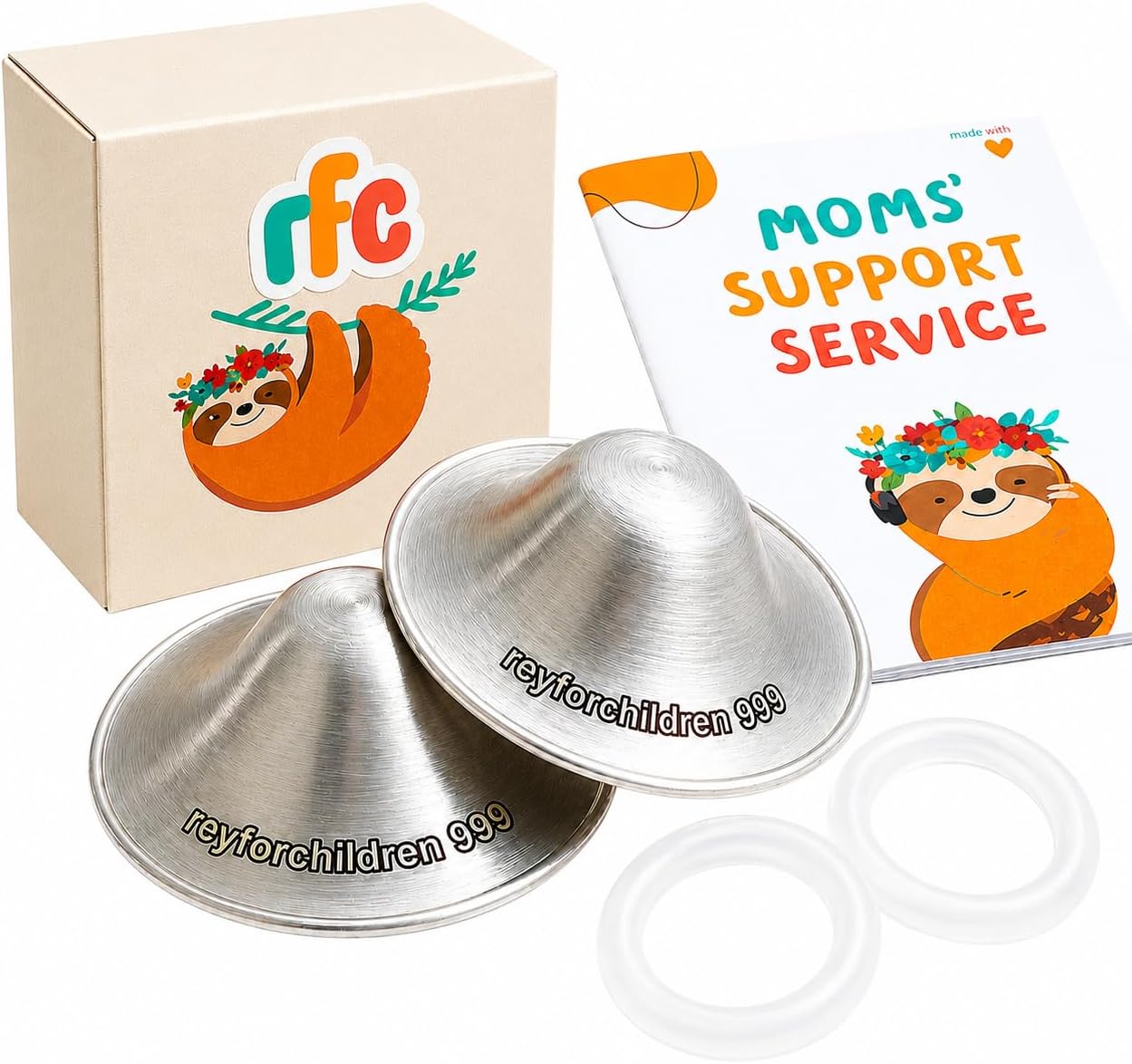
RFC Silver Nursing Cups
Pumping at work is hard enough without sore nipples added in. Silver nursing cups slip into a pump bag and help skin recover between sessions on busy office days.
The guilt that shows up around this transition is extremely common, and largely disconnected from how it actually affects your baby. A fed baby and a mother managing a real return to work are both doing exactly fine, even on the days the pumping schedule falls apart and a session gets missed entirely.
Building a workable pumping routine before day one
Most working, pumping mothers settle into two to three sessions across an eight-hour day, roughly matching how often their baby feeds, each session taking fifteen to twenty minutes with a good double electric pump. Talking to your employer in advance about break timing and space, rather than figuring it out on your first day back, tends to reduce a significant amount of first-week stress.
The conversation worth having with your employer in advance
Raising your pumping needs before your return date, rather than on day one, gives HR or your manager time to actually solve for a private space and schedule, rather than improvising under pressure. A short, direct message works well: stating that you will need two to three fifteen to twenty minute breaks for pumping, asking where that can happen, and referencing the PUMP Act if a private, non-bathroom space is not already obvious. Coordinating with your baby's caregiver on the same timeline, so bottle feeding schedules roughly mirror your pumping schedule, also reduces the odds of a mismatched, stressful first week where you are engorged at work while your baby is hungry at daycare, or the reverse.
What the first week back actually tends to look like
Even with solid preparation, the first week is usually the hardest, logistically and emotionally, not because anything is going wrong but because everyone, you, your baby, and your milk supply, is adjusting to an entirely new rhythm at once. Pump output is often lower than expected in the first few days before settling, missed or shortened sessions happen amid work demands, and it is common to feel a fresh wave of the same guilt covered elsewhere on this site. Giving the transition two full weeks before judging whether the schedule is actually working tends to be more accurate than assessing it after day one or two, when almost everything still feels unfamiliar.
Choosing childcare with feeding needs in mind
When touring daycares or interviewing a nanny, it is worth asking specific feeding-related questions up front: how they handle bottle refusal, whether they follow paced bottle feeding technique, how milk is stored and labeled, and how they communicate feeding times and amounts back to you during the day. A caregiver who is comfortable and experienced with expressed breast milk specifically, not just formula, tends to make the transition smoother, since handling and warming breast milk correctly matters for both safety and your baby's acceptance of it. Bringing a written note on your baby's typical feeding pattern and any preferences, bottle temperature, pacing, position, on the first day helps a new caregiver get up to speed faster than leaving it to be discovered through trial and error.
Frequently asked questions
How many weeks of maternity leave is typical before returning to work while breastfeeding?
This varies widely by employer and by state, in the US there is no federal paid leave guarantee, though FMLA offers unpaid, job-protected leave for eligible employees for up to twelve weeks.
Can I keep breastfeeding once I am back at work full time?
Yes, many mothers combine pumping during work hours with direct nursing mornings, evenings, and weekends, successfully continuing well past the return-to-work date.
What if I cannot pump enough to match what my baby needs during the day?
This is common and does not mean your supply is failing, pumping output is often lower than what a baby directly removes at the breast, even when supply itself is completely adequate. Nursing directly during non-work hours often keeps overall supply steady even if daytime pumped volume looks modest by comparison.
How do I keep pumped milk safe during a commute?
An insulated cooler bag with ice packs keeps milk safely cold for the trip home, and it should go into the refrigerator or freezer as soon as you arrive, following the same storage windows as any other pumped milk.
Is it normal for supply to dip right after returning to work?
A temporary dip is common as your body adjusts to a new schedule and possibly fewer, more spaced-out sessions. Consistent pumping at the same times each day usually helps supply stabilize again within one to two weeks.
What are my rights if my employer does not provide a proper space?
Under the PUMP Act, most employers are legally required to provide reasonable break time and a private, non-bathroom space to pump for up to a year after birth. If this is not being honored, the Department of Labor's Wage and Hour Division is the resource to contact.
This article shares general information and real-world experience — it isn't medical advice and doesn't replace guidance from your doctor, midwife, or a certified lactation consultant. If something feels off with you or your baby, please reach out to a professional who knows your situation.