Written by The New Mom Journal Editorial Team · Updated July 20, 2026
What to Actually Put on Your Baby Registry (And What to Skip)
Most registries end up longer than they need to be, built from what looked exciting in a store rather than what parents actually reach for at 3am. The average new family ends up with fifty to seventy individual baby items, but most find they only reach for a fraction of that list regularly once the baby actually arrives.
What gets used, and what gathers dust
Basics like a safe, approved sleep space, a properly fitted car seat, a handful of simple swaddles, and enough onesies in each size to cover a few days between laundry loads cover the true essentials. Beyond that, the list gets used a lot less than the registry checklists suggest, elaborate outfits, most bath products, and most nursery decor tend to sit unused for weeks.
50-70
items is the average number of things new parents buy for a baby, according to parent surveys, though most find they only reach for a fraction regularly.
The category almost everyone forgets
Feeding and nipple care items are consistently under-registered, and consistently the most missed in the first weeks, since they only become urgent once you are already home, sore, and not in a position to run to the store. A basic nursing pillow, a few nursing bras, and something for sore nipples belong on the list from the start, not added later in a moment of discomfort.
The registry item people forget
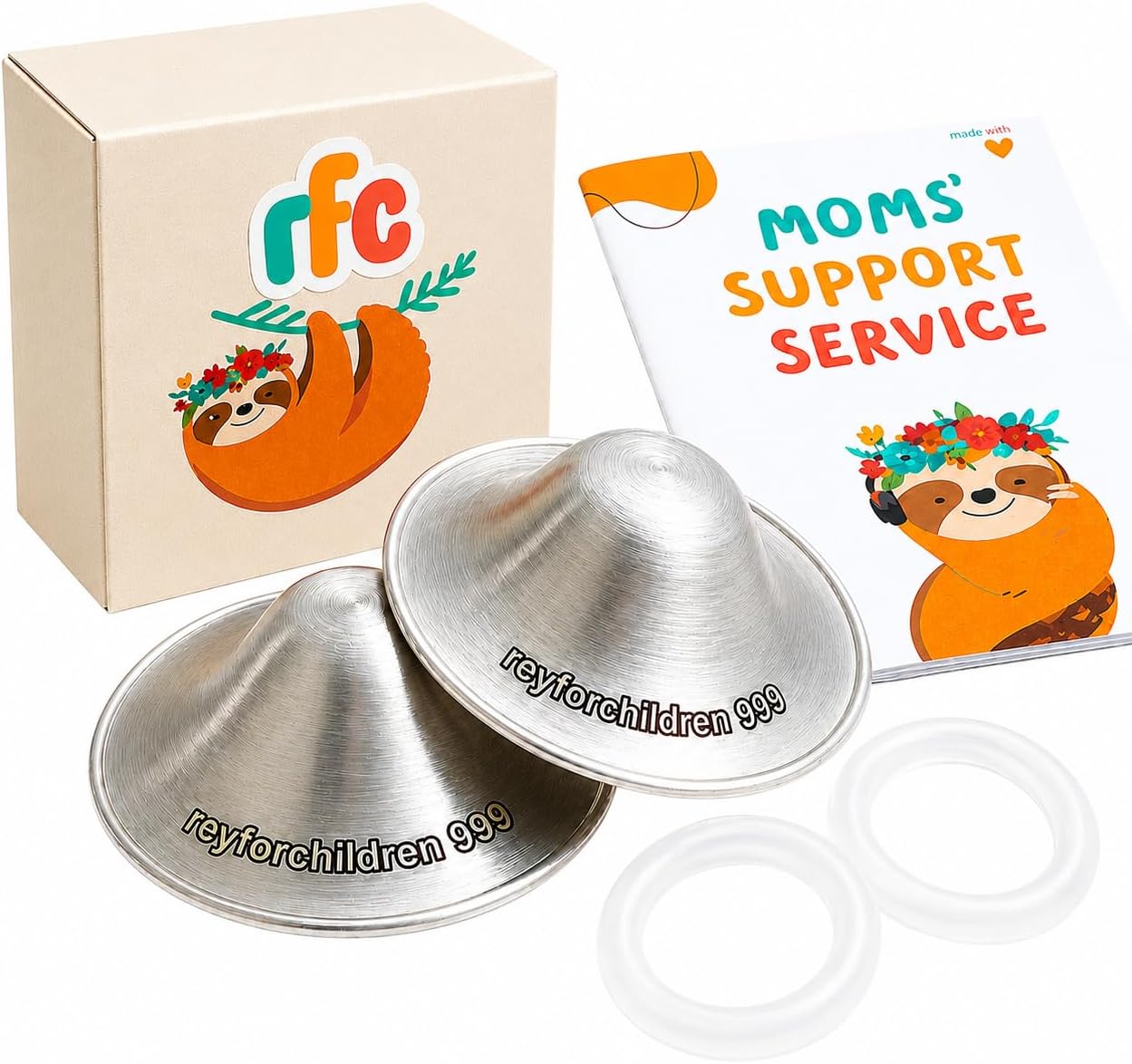
RFC Silver Nursing Cups
Silver nursing cups rarely make it onto a first-time registry, and rarely get skipped twice. Add them alongside the basics, not as an afterthought.
A shorter, more considered list, focused on what a baby and a recovering body actually need in the first month, will serve you better than a long one built to impress at a shower. Ask a friend who had a baby in the last year what they actually used daily, rather than what looked good in the registry checklist, and you will usually end up with a much more honest, much shorter list.
A category-by-category starting point
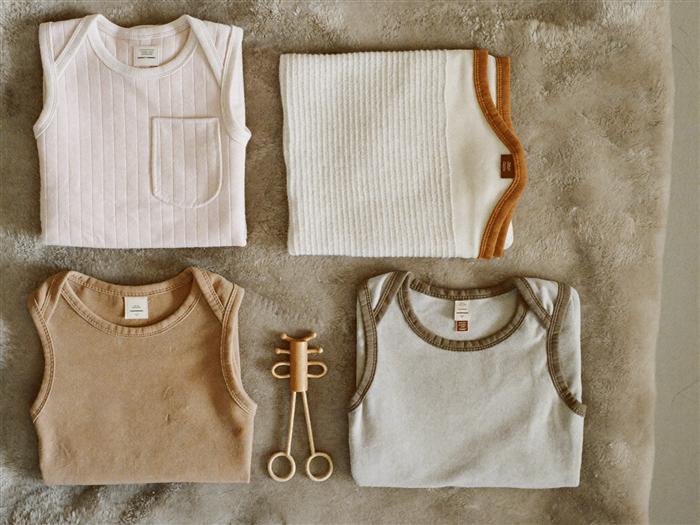
Sleep: a safety-approved crib or bassinet and a few fitted sheets. Feeding: nursing bras, a nursing pillow, bottles if you plan to use them, and nipple care from day one rather than added later. Diapering: a changing pad, a reasonable first-size diaper stock, though sizes change fast so avoid buying too many of one size. Clothing: five to seven onesies and sleepers per size, since newborns move through sizes quickly and outfits get soiled often. Transport: one properly installed, correctly sized car seat, which is non-negotiable for leaving the hospital.
Building the actual list without losing hours to it
Most registry platforms let you add items from any website, not just their own store, which means you do not have to limit the list to whatever one retailer carries. A practical approach is building it in two passes: a first pass adding anything that seems useful, then a second pass a week later removing anything you cannot picture using in a normal week at home. That second pass is where most of the trimming happens, and doing it with a few days of distance tends to produce a much more honest list than trying to finalize everything in one sitting.
It also helps to register slightly ahead of when you think you need to. Registries often unlock coupons or completion discounts that are worth using on anything left over closer to the due date, and starting early gives friends and family more time to actually purchase from it before a shower rather than everyone grabbing from the same few remaining items at the last minute.
What experienced parents most often say they regret buying
Ask enough second-time parents and the same handful of regrets come up repeatedly: a wipe warmer that gets used for a week then abandoned, a large baby bathtub that takes up permanent bathroom real estate, an overflowing collection of stuffed animals a newborn cannot yet interact with, and multiple "cute" outfits in sizes a baby outgrows before ever wearing them. None of these are wrong to want, but they are consistently the items that end up donated with tags still on, which is exactly why a shorter, needs-first registry tends to serve new families better than a longer, more aspirational one.
Handling duplicate gifts and returns gracefully
Registries rarely go perfectly, expect at least a couple of duplicate gifts or well-meaning purchases from outside the list entirely. Most retailers extend return windows for baby registry items well beyond the standard policy, often ninety days or more, specifically because gifts trickle in over weeks around a shower and birth. Keeping a simple running list of who gave what as gifts arrive makes both thank-you notes and any needed returns far less overwhelming later, rather than trying to reconstruct it from memory during the newborn haze. A brief, kind note when redirecting a duplicate, "we ended up with two of these, would love to exchange for X instead", is a completely normal and accepted part of the registry process, not something to feel awkward about.
Frequently asked questions
What is the most important item on a baby registry?
A properly installed, correctly sized car seat is the one non-negotiable item, most hospitals will not let you leave without one properly fitted for your baby.
Should I register for newborn size or 0 to 3 months clothing?
A small stock of true newborn size plus a larger supply of 0 to 3 months tends to work well, since many babies move out of newborn size within two to four weeks.
Do I really need all the gadgets registries suggest?
Almost never. Bottle warmers, wipe warmers, and most "must-have" gadgets marketed heavily on registry checklists go unused by a large share of parents. A handful of true daily-use items serves most families better than a long list of specialty gear.
What is worth spending more on, and what is fine to buy cheap?
Car seats and cribs should meet current safety standards regardless of price, this is not the place to cut corners. Clothing, muslin blankets, and most nursery decor are reasonable places to save, since babies outgrow or outlast interest in them quickly.
Should I register for postpartum recovery items for myself?
Yes, and most first-time parents forget to. Postpartum pads, a peri bottle, comfortable nursing-friendly clothing, and nipple care items are just as worth registering for as anything for the baby, since your own recovery needs support too.
How many newborn-size items should I actually buy?
Fewer than you would think. Many babies move out of true newborn size within two to four weeks, so a small stock, a few onesies and sleepers, rather than a full wardrobe, tends to be the more practical choice.
This article shares general information and real-world experience — it isn't medical advice and doesn't replace guidance from your doctor, midwife, or a certified lactation consultant. If something feels off with you or your baby, please reach out to a professional who knows your situation.